
Memory Care Guide: Compassionate support for families navigating Alzheimer’s and dementia
Facing Alzheimer’s or dementia care can feel confusing and emotional. This guide is meant to give families clear, practical information about memory care services, emotional support approaches, and helpful resources for caregivers. With better understanding, families can make decisions that protect safety, preserve dignity, and improve daily life for a loved one living with cognitive decline. Below you’ll find an overview of memory care types, strategies for emotional support, and where to find further help.
Key Takeaways
- Memory care offers specialized, person-centered support for people with Alzheimer’s and other dementias to improve safety and well-being.
- Consistent routines and purposeful activities help reduce anxiety and encourage cognitive engagement.
- Secure environments and trained staff are designed to prevent wandering and keep residents safe.
- Open communication, education, and compassionate caregiving support both residents and their families emotionally.
- Caregivers can tap training, support groups, and transition guidance to reduce strain and increase confidence.
- Staff in memory care receive dementia-focused education and ongoing training to deliver respectful, effective care.
- Costs vary by level of need and location; explore payment plans, insurance options, and financial assistance where available.
- When touring communities, assess safety, staff-resident interactions, and daily activities to make an informed choice.
- Contacting providers early lets you build a personalized care plan that fits your loved one’s needs.
Types of Memory Care Services
Memory care programs are built around the specific needs of people living with Alzheimer’s and related dementias. Common features include 24/7 supervised care, predictable daily routines, and therapeutic activities adapted to residents’ abilities. The aim is to create a secure, respectful setting that supports independence where possible and preserves dignity.
| Service | Description | Benefits |
|---|---|---|
| 24/7 Specialized Supervision | Continuous observation and assistance from staff trained in dementia care. | Reduces wandering risks and ensures prompt help when needed. |
| Structured Routines | Consistent daily schedules balancing meals, activities, and rest. | Provides predictability that lowers stress and supports sleep and appetite. |
| Therapeutic Activities | Engaging, purpose-driven programs that match interests and capabilities. | Stimulates cognition, social connection, and emotional well-being. |
These services form the backbone of memory care for families evaluating long-term options. For example, Lakeshore Woods offers a continuum that includes independent living, assisted living, memory care, and hospice support to meet changing needs.
Emotional Support Strategies
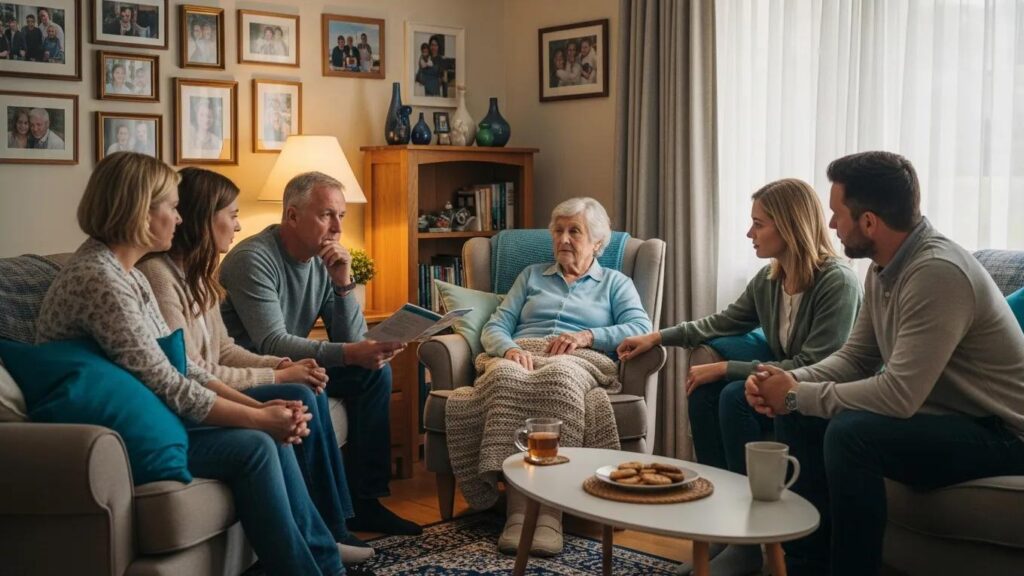
Transitions to memory care are often as emotional as they are practical. Clear conversations, education about the disease, and involving families in planning ease that burden. Encouraging honest expression and offering steady reassurance helps everyone adjust.
- Open communication: Regular conversations about care goals and daily preferences keep families connected and informed.
- Education and participation: Learning about dementia and joining care planning gives families more control and confidence.
- Compassionate care: Staff trained in empathetic communication provide emotional support to residents and relatives alike.
Contacting Lakeshore Woods can help you explore personalized care plans that reflect your loved one’s history, routines, and preferences.
Resources Available for Caregivers
Caregivers are essential partners in memory care—and they need support, too. A range of resources can help manage responsibilities while protecting mental and physical health.
- Guidance during transitions: Professional guidance helps families plan and adjust during moves to a memory care setting.
- Family involvement: Staying involved in routines and decisions benefits both caregiver and resident well-being.
- Support for caregiver strain: Support groups, counseling, and respite services reduce isolation and burnout.
These supports make caregiving more sustainable and let families share the load.
What Are Memory Care Services and How Do They Support Alzheimer’s and Dementia Patients?
Memory care is a focused level of support tailored to people with cognitive impairment. It combines safe environments, activity programming, and individualized care plans to preserve dignity, support daily functioning, and foster a sense of community. Staff work with families to address medical, behavioral, and emotional needs as conditions change.
Which Therapeutic Activities and Cognitive Recovery Programs Enhance Memory Care?
Therapeutic activities play a central role in memory care by encouraging mental activity and social bonds. Common approaches include:
- Cognitive activities: Simple puzzles, memory prompts, and reminiscence exercises that respect ability levels.
- Engagement programs: Small-group activities and routines that reduce isolation and promote belonging.
- Therapeutic benefits: Tailoring activities to personal history and preferences supports mood, identity, and function.
Programs that match each person’s interests help sustain purpose and connection.
How Are Memory Care Facilities Designed to Ensure Safety and Security for Residents?

Design in memory care centers on reducing risks while promoting independence. Typical safety features include:
- Secured environment: Controlled entry and exit points limit wandering while preserving dignity.
- Staff training: Care teams learn dementia-focused skills to meet changing needs compassionately.
- Emergency protocols: Clear plans and quick-response systems protect residents in urgent situations.
Thoughtful design and procedures help families feel confident about daily safety and care.
A recent review underscores that improving safety in dementia care depends on trained staff, environmental adjustments, personalized plans, and active family involvement.
Dementia Care Home Safety: Protocols, Training & Family Involvement
The growing number of older adults with dementia in care homes creates real safety challenges. Dementia brings memory loss, cognitive decline, and behavior changes that increase risks like falls, wandering, medication mistakes, and communication barriers. This review looks at current safety measures, points out where practices fall short, and recommends a coordinated approach to strengthen protections. It highlights the value of dementia-focused staff training, smart environmental edits, individualized care strategies, and assistive technologies. The review also emphasizes how family and caregiver participation helps shape patient-centered safety plans.
Improving Safety Protocols for Aged Adults with Dementia in Care Homes
What Are the Key Safety Features in Secure Memory Care Environments?
Secure memory care settings combine systems and design choices to protect residents. Core features include:
- 24/7 specialized supervision: Around-the-clock monitoring gives fast help when needs change.
- Wander prevention systems: Technology and procedures alert staff if someone attempts to leave unsafely.
- Safe, thoughtfully designed spaces: Clear layouts, calming colors, and familiar cues reduce confusion and support independence.
These elements work together to create a safe, supportive daily environment.
How Are Staff Trained to Support Alzheimer’s and Dementia Residents?
Staff education is essential to quality memory care. Training typically covers:
- Dementia-specific knowledge: Understanding types of dementia and how symptoms affect behavior and communication.
- Ongoing education: Regular refreshers and best-practice updates keep care current and effective.
- Compassionate care practices: Techniques that prioritize empathy, validation, and person-centered approaches.
Well-trained staff are better equipped to respond calmly and thoughtfully to residents’ needs.
What Are the Costs and Financing Options for Memory Care Services?
Memory care costs vary by the level of support required and where the community is located. Families should consider several approaches to managing expenses:
- Cost comparison: Comparing facilities helps you weigh services against price to find the best fit.
- Financing options: Many communities offer payment plans or sliding-scale options to ease upfront costs.
- Insurance coverage: Some long-term care plans or benefits may offset part of the cost—check policy details.
Doing homework on pricing and payment options makes planning less stressful and more realistic.
How Can Caregivers Access Support and Training for Dementia and Alzheimer’s Care?
Caregivers have access to many helpful supports to build skills and stay resilient. Typical resources include:
- Training programs: Workshops, classes, and online courses that teach communication, behavior strategies, and daily care techniques.
- Support resources: Local and virtual support groups, helplines, and counseling provide emotional and practical help.
- Community involvement: Local agencies and nonprofits often offer respite care, volunteer programs, and additional services.
These tools help caregivers feel more capable and less isolated.
How Do Families Book Tours and Connect with Memory Care Communities?
Visiting communities and talking with staff are key steps when considering memory care. Typical steps include:
- Scheduling a tour: Call or email the community to set up a visit and meet the care team.
- Consultation process: Use the visit to discuss your loved one’s medical needs, preferences, and daily routine.
- Questions to ask: Prepare questions about care plans, staff training, safety features, and activities to get a full picture.
Being prepared helps families evaluate how well a community will meet their loved one’s needs.
What Should Families Expect During a Memory Care Facility Tour?
During a tour, look for practical and intangible signs of quality care:
- Environment observation: Note how the space is laid out, how secure it feels, and whether it’s clean and comfortable.
- Staff interaction: Watch how staff speak with and respond to residents—respect and patience are good indicators.
- Activities offered: Ask about daily programming and how activities are personalized to residents’ interests.
These observations will help you decide whether the community is a good fit.
How to Contact Memory Care Providers for Personalized Care Plans?
Reaching out to providers starts a conversation that leads to tailored care. Steps to take include:
- Contact methods: Call or email to introduce your situation and request a consultation.
- Personalized care discussions: Share medical history, daily routines, and personal preferences to shape an individualized plan.
- Follow-up process: Agree on next steps, timelines, and how the community will stay in touch after the initial meeting.
Clear, ongoing communication ensures the care plan evolves as needs change.
Frequently Asked Questions
What should families consider when choosing a memory care facility?
When choosing a memory care community, focus on safety features, staff training and turnover, the types of programs offered, and the overall atmosphere. Ask how the community manages emergencies, personalizes care, and supports family involvement. Visiting at different times of day and speaking with other families can give you a fuller sense of daily life there.
How can families support their loved ones during the transition to memory care?
Support during a move starts with honest, gentle conversations about the change. Keep familiar items around, maintain as many routines as possible, and spend time together in the new space before the move. Encourage small steps toward participation in activities and check in often to reassure and adjust plans as needed.
What role do family members play in the care of residents in memory care facilities?
Family members remain vital partners: they provide emotional support, share personal history that shapes care plans, and advocate for preferences. Regular visits, communication with staff, and involvement in care meetings help ensure the resident’s needs and wishes are respected.
What are some common challenges caregivers face when providing memory care?
Caregivers commonly face behavioral changes, communication frustrations, and emotional stress that can lead to fatigue or isolation. Navigating medical decisions and legal matters can add complexity. Support groups, respite services, and professional guidance help caregivers manage these challenges more sustainably.
How can caregivers maintain their own well-being while caring for someone with dementia?
Caregivers should prioritize rest, regular exercise, healthy eating, and social connection. Schedule breaks, accept help, and use respite services when needed. Joining support groups or talking to a counselor can provide emotional relief and practical strategies.
What types of training are available for family caregivers of individuals with dementia?
Family caregivers can find workshops, online modules, and community classes covering dementia basics, communication techniques, and behavior management. Local agencies, hospitals, and nonprofit organizations often offer these resources free or at low cost.
How can families ensure their loved ones receive personalized care in memory care facilities?
To ensure personalized care, share detailed information about routines, preferences, and life history with staff. Work with the community to create a written care plan, attend care meetings, and maintain open communication so the plan can be updated as needs change.
Conclusion
Understanding memory care helps families make choices that protect safety, preserve dignity, and improve daily life for someone with Alzheimer’s or dementia. By learning about specialized services, emotional support strategies, and caregiver resources, you can take confident next steps. Reach out to memory care providers to discuss individualized plans and learn how Lakeshore Woods can support your family’s journey.
Disclaimer:
Some images used in this blog are AI-generated and are included for illustrative purposes only. If you have any questions about our services or community, please contact us through our website or call (810) 385-3185 for assistance.