
Resident Amenities & Services: Thoughtful, Life‑Enriching Features for Assisted Living and Memory Care
When choosing senior living, the right amenities and services make a real difference in daily life. This guide outlines the features you’ll find in assisted living and memory care communities and explains how they support well‑being, independence, and social connection. Read on to learn about living spaces, personal care, dining, memory support, and wellness programs designed around residents’ needs.
Key Takeaways
- Communities provide private suites, welcoming common areas, and outdoor spaces to promote comfort and connection.
- Personal care services include everyday assistance, around‑the‑clock staff, and individualized care plans to help residents remain as independent as possible.
- Dining programs offer chef‑prepared meals, shared dining options, and accommodations for diverse dietary needs.
- Memory care includes specially trained staff, predictable routines, and therapeutic activities to support cognition and emotional stability.
- Cognitive recovery programs combine targeted interventions, exercise, and ongoing assessment to help maintain mental agility.
- Safety features such as secure access, emergency response systems, and regular wellness checks protect residents’ well‑being.
- Fitness and wellness offerings encourage physical health, mental engagement, and social interaction through tailored activities.
- Specialized initiatives like RECODE use biomarker testing and multimodal therapies to deliver focused cognitive support.
- Hospice and end‑of‑life care are coordinated with licensed providers and include 24/7 staff support and emotional resources for families.
Amenities
Assisted living and memory care communities offer thoughtfully designed amenities to make daily life comfortable and meaningful. Typical features include:
- Residential Suites: Private or semi‑private apartments that feel like home while offering easy access to support.
- Common Areas: Living rooms, activity spaces, and lounges where neighbors gather, socialize, and take part in programs.
- Outdoor Spaces: Gardens, patios, and walking paths that invite fresh air, light exercise, and quiet reflection.
These amenities support social connection, independence, and a sense of belonging for residents.
Personal Care Services
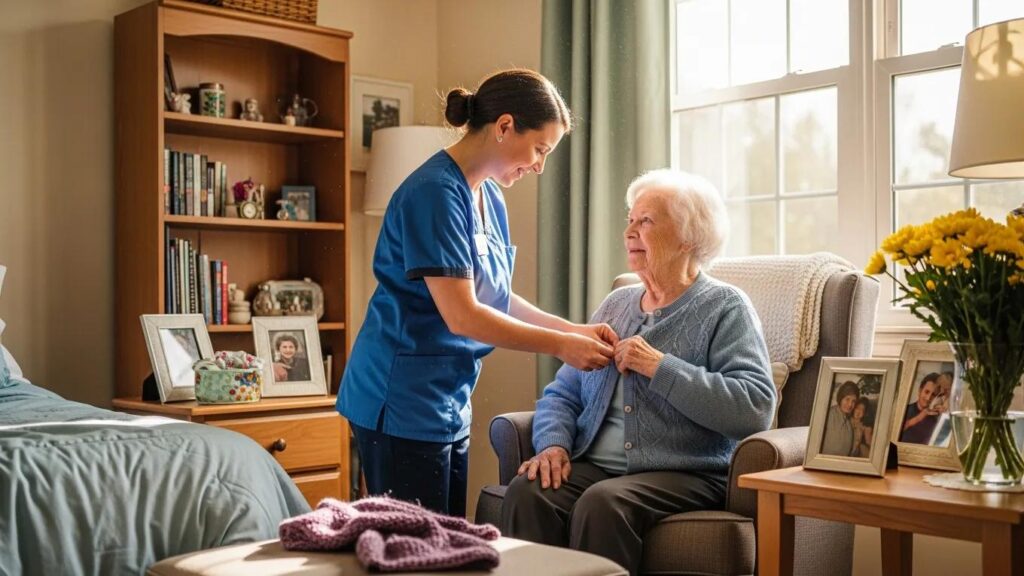
Personal care services help residents with the routines of everyday life while preserving dignity and choice. Common services include:
- Daily Assistance: Support with bathing, dressing, grooming, and other personal tasks as needed.
- 24/7 Care Availability: Trained staff on site around the clock to respond to needs and emergencies.
- Individualized Care Plans: Care tailored to each person’s health, preferences, and goals.
These services are delivered with respect, helping residents stay engaged and independent for as long as possible.
Dining Options
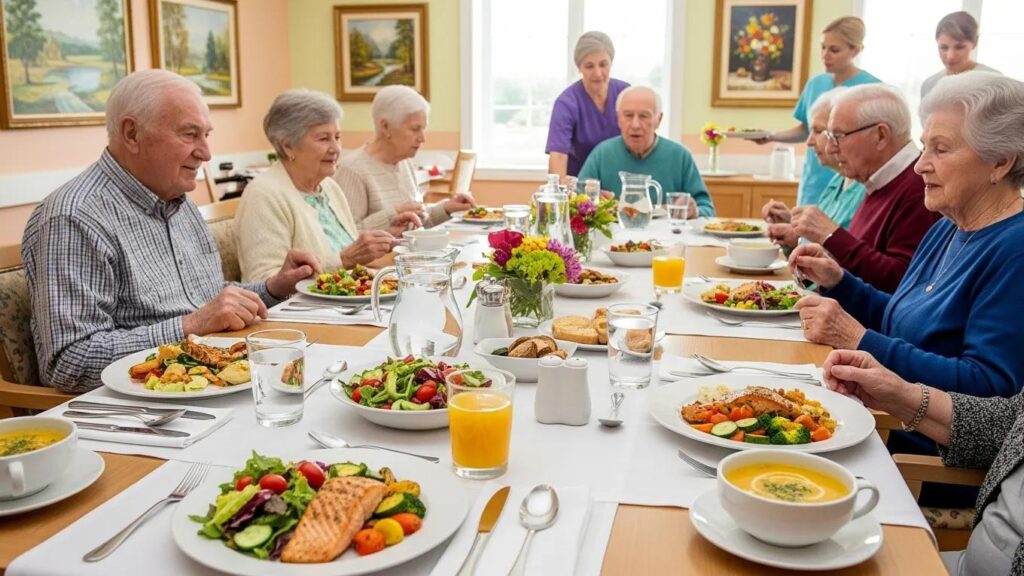
Dining in these communities focuses on nutrition, taste, and the social benefits of shared meals. Key features include:
- Chef‑Prepared Meals: Balanced, flavorful dishes prepared to meet residents’ nutritional needs.
- Social Dining Opportunities: Shared tables and meal programs that encourage conversation and connection.
- Nutritional Accommodations: Menus and meal plans adapted for allergies, texture needs, or medical diets.
Residents enjoy varied menu choices that support health while celebrating familiar flavors.
| Meal Type | Nutritional Benefits | Dietary Considerations |
|---|---|---|
| Breakfast | Protein and fiber to start the day | Gluten‑free options available |
| Lunch | Balanced meals with vegetables and whole grains | Low‑sodium choices offered |
| Dinner | Heart‑healthy selections and lean proteins | Vegetarian and vegan meals provided |
Thoughtful dining supports nourishment, routine, and opportunities for social engagement.
Memory Care Support
Memory care programs are designed to meet the specific needs of residents living with cognitive impairment. Typical components include:
- Specialized Staff Training: Caregivers trained in dementia‑specific communication and behavior strategies.
- Structured Routines: Predictable daily schedules that reduce anxiety and promote safety.
- Therapeutic Activities: Reminiscence, music, sensory, and cognitive‑stimulation activities tailored to abilities.
These supports create a calm, reassuring environment that preserves dignity and quality of life.
Cognitive Recovery Programs
Programs focused on cognitive recovery aim to maintain or improve mental function through comprehensive, personalized approaches. They typically include:
- Cognitive Activities: Brain‑stimulating tasks and therapies designed to build mental agility.
- Fitness Classes: Physical exercise programs that support brain health as well as physical strength.
- Personalized Programs: Interventions shaped by assessments and ongoing progress tracking.
Combined, these elements help residents stay mentally engaged and improve day‑to‑day functioning.
Safety Measures
Keeping residents safe is a core priority. Facilities implement multiple layers of protection, such as:
- Secure Environment Features: Controlled access and design elements that reduce wandering risks.
- Emergency Response Systems: Fast‑acting alarms and staff procedures for urgent situations.
- Regular Check‑Ins: Routine wellness checks and monitoring to spot changes early.
These safety measures help families feel confident their loved ones are protected and supported.
What Assisted Living Amenities Enhance Resident Well‑Being?
Amenities play a central role in daily satisfaction and overall health. Key contributors include:
- Personalized Care Plans: Care that reflects each resident’s abilities and preferences.
- Nutritious Meals: Diets planned to support energy, health, and medical needs.
- Daily Activities: Programs that offer social, physical, and cognitive engagement.
Together, these features foster independence, routine, and meaningful connection.
Which Personal Care Services Support Daily Living?
Personal care services ensure residents get the help they need while preserving autonomy. Important supports include:
- Daily Personal Care Assistance: Help with hygiene, dressing, and other essentials that promote comfort and dignity.
- Medication Support: Supervision and reminders to help manage prescriptions safely.
- Housekeeping Services: Regular cleaning and maintenance to keep living spaces safe and pleasant.
These services reduce stress for residents and families while promoting a stable daily routine.
How Do Dining Options Cater to Resident Nutrition and Preferences?
Dining programs are built around taste, health, and choice. Facilities typically emphasize:
- Nutritional Planning: Menus designed with input from nutrition staff to meet health goals.
- Balanced Meals: Plates that include appropriate portions from core food groups.
- Dietary Considerations: Flexible options for allergies, medical diets, and personal preferences.
This approach ensures meals are both enjoyable and supportive of residents’ health needs.
How Do Memory Care Services Support Cognitive Health and Safety?
Memory care combines safety with programs that nurture cognitive function. Key features include:
- 24/7 Specialized Supervision: Continuous oversight by staff trained in dementia care.
- Structured Routines: Predictable daily rhythms that reduce confusion and stress.
- Therapeutic Activities: Gentle programs aimed at memory support, mood, and engagement.
These services balance protection with purposeful activity to support residents’ well‑being.
What Specialized Cognitive Recovery Programs Are Offered?
Specialized cognitive programs blend medical insight with lifestyle interventions. Core elements include:
- Personalized Medical Analysis: Assessments that guide individualized care plans.
- Brain‑Targeted Lifestyle Protocols: Nutrition, sleep, activity, and social strategies that support cognition.
- Continuous Monitoring: Ongoing evaluation to track progress and refine interventions.
Such programs aim to slow decline, preserve abilities, and enhance daily functioning.
How Is a Secure Environment Maintained for Memory Care Residents?
Security in memory care is achieved through design, staffing, and routine. Common strategies include:
- 24/7 Specialized Supervision: Constant trained oversight to respond to needs quickly.
- Secured Entrances: Controlled access points that prevent wandering and ensure safety.
- Structured Routines: Familiar schedules that reduce anxiety and support orientation.
These measures create a predictable, safe setting where residents can feel comfortable and cared for.
What Senior Fitness and Wellness Programs Promote Active Living?
Fitness and wellness offerings encourage mobility, mental sharpness, and social connection. Typical features are:
- Exercise Classes: Programs adapted to varying ability levels, from gentle stretching to strength work.
- Social Activities: Group events and clubs that foster friendships and purpose.
- Holistic Approach: Activities that address physical, emotional, and cognitive wellness.
These programs help residents stay vibrant, connected, and resilient.
Which Exercise Classes and Social Activities Are Available?
Communities usually offer a mix of gentle, accessible programs and engaging social options, such as:
- Chair Yoga: Seated stretching and breathing for flexibility and relaxation.
- Walking Groups: Gentle, guided walks that promote fitness and companionship.
- Crafts and Lifelong Learning: Creative and educational sessions that stimulate the mind and encourage expression.
These activities provide routine, purpose, and chances to form meaningful connections.
How Do Wellness Programs Support Overall Senior Health?
Wellness programs are designed to strengthen body, mind, and social ties. Key areas include:
- Physical Health: Classes and services that support mobility, balance, and strength.
- Mental Engagement: Cognitive activities and learning opportunities to keep minds active.
- Social Connection: Programs that encourage friendships, purpose, and emotional support.
Together these elements help residents enjoy fuller, healthier lives.
What Resident Dining Options Provide Nutritious and Enjoyable Meals?
Resident dining emphasizes variety, nutrition, and resident input. Highlights include:
- Types of Meals Offered: Breakfast, lunch, and dinner with a range of fresh, seasonal choices.
- Nutritional Standards: Meals planned to meet dietary guidelines and individual health needs.
- Resident Feedback: Regular input from residents to refine menus and dining experiences.
Good dining brings pleasure and supports long‑term health.
How Are Menus Designed to Meet Dietary Needs?
Menu planning combines nutrition expertise with resident preferences. Important steps include:
- Nutritional Planning: Dietitians and chefs collaborate to create balanced, appealing menus.
- Balanced Meals: Plates that include proteins, whole grains, fruits, and vegetables.
- Monitoring and Feedback: Ongoing adjustments based on health changes and resident tastes.
This process ensures meals meet both medical needs and personal enjoyment.
What Dining Experiences Encourage Social Engagement?
Dining is more than food — it’s an opportunity to connect. Communities foster social dining by offering:
- Shared Meal Spaces: Comfortable dining rooms that invite conversation and gathering.
- Positive Dining Atmosphere: Warm, welcoming settings that make mealtime pleasant.
- Encouragement from Staff: Team members who facilitate connections and support residents during meals.
These elements help mealtimes become meaningful social moments.
Which Specialized Programs Enhance Quality of Life for Residents?
Special programs enrich daily life and address specific needs. Common offerings include:
- Daily Planned Activities: Structured events that provide purpose and variety.
- Wellness Programs: Initiatives focused on fitness, cognition, and emotional health.
- Emotional Support: Counseling, spiritual care, and resources for residents and families.
Together, these services support a fuller, more engaged lifestyle.
How Does the RECODE Program Support Cognitive Recovery?
RECODE is a targeted program that combines medical testing and personalized therapies to support brain health. Key components include:
- Comprehensive Biomarker Testing: Assessments that inform an individualized treatment plan.
- Personalized Care Plans: Strategies tailored to each person’s cognitive profile and goals.
- Multimodal Interventions: A mix of diet, lifestyle, cognitive training, and other therapies to support recovery.
Programs like RECODE aim to deliver measurable, personalized support for cognitive function.
What Hospice and End-of-Life Services Are Available?
Hospice and end‑of‑life care focus on comfort, dignity, and family support. Typical services include:
- Coordination with Licensed Hospice Providers: Working with specialists to deliver compassionate, coordinated care.
- 24/7 On‑Site Care: Staff available at all hours to address needs and manage symptoms.
- Emotional and Spiritual Support: Counseling and resources to comfort residents and families.
These services ensure residents receive respectful, comprehensive care during life’s final stage.
Frequently Asked Questions
What types of activities are available to promote social engagement among residents?
Communities typically offer a mix of group activities to foster connection and enjoyment. Common options include group exercise, arts and crafts, game nights, musical events, and themed social gatherings. Many communities also organize outings and celebrations that let residents share experiences and build friendships.
How do facilities ensure the safety of residents with mobility challenges?
Facilities use thoughtful design and trained staff to support mobility. This includes accessible common areas, ramps and handrails, non‑slip flooring, and adaptive equipment. Staff receive training on safe transfers and mobility assistance, and regular safety reviews identify and address potential hazards. Emergency systems and prompt response protocols add an extra layer of protection.
What role do family members play in the care of residents?
Family members are important partners in care. They’re invited to participate in care planning, share personal preferences, and stay connected through regular communication. Facilities often facilitate family meetings and encourage involvement in activities, which helps maintain continuity and emotional support for the resident.
Are there any wellness programs specifically designed for mental health support?
Yes. Many communities offer mental health–focused programs such as mindfulness and relaxation sessions, support groups, counseling services, and cognitive therapy workshops. These programs are often provided in partnership with mental health professionals to ensure residents get appropriate, evidence‑based support.
How do facilities accommodate residents with dietary restrictions?
Facilities take dietary needs seriously by working with chefs and nutritionists to create flexible menus. Residents can request accommodations like gluten‑free, low‑sodium, diabetic‑friendly, or texture‑modified meals. Staff gather feedback regularly to refine offerings and ensure meals meet both health requirements and personal preferences.
What types of training do staff members receive to support residents with memory care needs?
Memory care staff receive dementia‑specific training covering communication techniques, behavior management, person‑centered care, and safe transfer practices. Training also emphasizes creating predictable routines and delivering therapeutic activities. Ongoing education helps staff stay current with best practices in memory support.
What are the benefits of engaging in fitness programs for seniors?
Regular fitness activity improves balance, strength, cardiovascular health, and mood. Exercise can reduce the risk of chronic conditions, improve mobility, and boost energy. Fitness classes also create social opportunities, helping residents form bonds while supporting physical and mental well‑being.
Conclusion
Assisted living and memory care communities combine thoughtful amenities, personalized services, and specialized programs to enhance residents’ daily lives. From tailored care plans and nourishing meals to cognitive supports and safety features, these elements work together to promote independence, health, and meaningful connection. If you’re exploring options for a loved one, look for a community that prioritizes compassion, choice, and evidence‑based care — and reach out to learn how we can support your family’s needs.
Disclaimer:
Some images used in this blog are AI-generated and are included for illustrative purposes only. If you have any questions about our services or community, please contact us through our website or call (810) 385-3185 for assistance.