
Comprehensive Hospice Care: Compassionate Comfort and End-of-Life Support for Seniors
Hospice care supports people with life-limiting illnesses and the families who love them. Its aim is simple but profound: improve comfort, honor personal wishes, and provide compassionate support when it matters most. Below we outline the types of hospice services, the emotional and practical supports available to seniors and their families, how eligibility and enrollment work, and how hospice teams work with other senior living services. With this information, families can feel more confident making end-of-life care choices.
Key Takeaways
- Hospice offers compassionate, personalized care that attends to physical, emotional, and spiritual needs.
- Emotional support includes grief counseling, facilitated family conversations, and guidance on care decisions.
- Caregivers receive practical help through coordination, training, and access to resources.
- The hospice approach centers on dignity, respect, and a holistic, patient-first philosophy.
- Eligibility usually requires a terminal diagnosis with a prognosis of six months or less.
- Hospice can work alongside memory care and assisted living to ensure smooth transitions.
- Interdisciplinary teams coordinate care and support families throughout changes in a patient’s condition.
- Financial planning for hospice means understanding insurance coverage and preparing for possible out-of-pocket costs.
- Active family involvement in care planning helps honor patient wishes and improves care quality.
Types of Services Offered
Hospice care brings together services designed to keep patients comfortable and supported across all dimensions of need. Typical offerings include:
- Coordination with Licensed Hospice Providers: Care is overseen by clinicians and hospice specialists experienced in end-of-life medicine and support.
- 24/7 On-Site Care: Around-the-clock clinical support and urgent response when symptoms change.
- Emotional and Spiritual Support: Counseling, spiritual care, and resources to help patients and families cope.
These services are adapted to each person’s situation so comfort and dignity remain the priority.
Emotional Support for Seniors and Families

Addressing emotional and spiritual needs is a core part of hospice. Teams offer targeted supports such as:
- Grief Resources: Individual counseling and support groups to help families process loss before and after it occurs.
- Opportunities for Family Connection: Facilitated meetings and conversations to keep loved ones involved and aligned with the patient’s wishes.
- Decision-Making Support: Clear explanations of options and help with advance care planning so families can make informed choices.
These services promote peace, understanding, and meaningful connection during a difficult time.
Lakeshore Woods Seniors understands how important emotional support is and provides specialized resources to help families navigate the complexities of end-of-life care.
Assistance for Caregivers
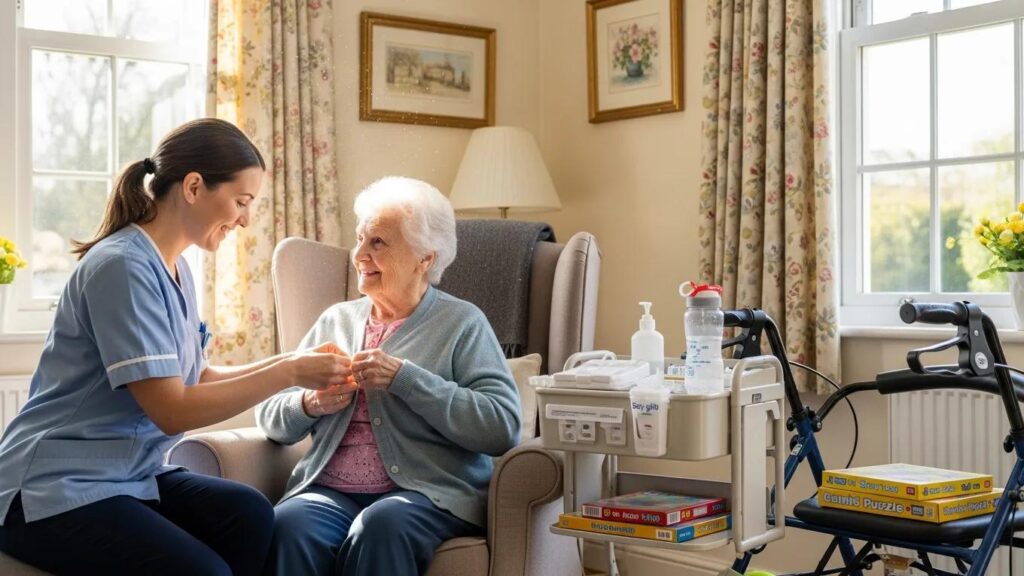
Caregivers often carry heavy responsibilities. Hospice programs offer practical help to reduce that burden, including:
- Care Coordination Assistance: Help organizing appointments, medications, and in-home or facility-based services.
- Training and Resources: Educational materials and hands-on training so caregivers feel confident managing symptoms and comfort measures.
Support for caregivers helps sustain both patient care and the caregiver’s own health.
Overall Philosophy
Hospice centers on respect, comfort, and person-centered care. Its guiding principles include:
- Patient-Centered Care: Care plans are shaped by the patient’s goals, values, and preferences.
- Holistic Care: Attention to physical symptoms as well as emotional, spiritual, and social needs.
These values shape every decision hospice teams make to improve quality of life in the time that remains.
What Are Hospice Care Services and Their Benefits?
Hospice services aim to make the final phase of life as comfortable and meaningful as possible. Benefits commonly include:
- Improved Comfort and Symptom Control: Focused pain and symptom management keeps patients as comfortable as possible.
- Support for Families: Guidance, counseling, and practical help to ease the caregiving burden and emotional strain.
- Continuity and Coordination: Integrated care across providers so patients receive consistent support through changing needs.
Knowing these benefits can help families choose the care that best aligns with their loved one’s goals.
How Does Hospice Care Provide Comfort and Pain Management?
Hospice teams create individualized plans to reduce pain and improve comfort. Key elements include:
- Personalized Pain Management: Medications and therapies chosen to match each patient’s needs and preferences.
- Emotional and Spiritual Support: Counseling and spiritual care that address the emotional dimensions of suffering.
Combining clinical symptom relief with emotional support helps maintain dignity and quality of life.
Lakeshore Woods Seniors emphasizes tailored care, ensuring each person receives attention and support suited to their situation.
What Emotional Support Is Available for Seniors and Families?
Hospice emotional support includes services to help families and patients cope, such as:
- Spiritual Care: Chaplains or spiritual advisors available to address faith-based or existential concerns.
- Grief and Bereavement Resources: Counseling and group options to support processing loss.
These resources strengthen resilience and connection during a challenging period.
Who Is Eligible for Hospice Care? Understanding Hospice Care Eligibility
Eligibility for hospice generally requires a terminal diagnosis with a physician-estimated prognosis of six months or less if the disease follows its usual course. Considerations include:
- Medical Diagnosis: A documented life-limiting illness and clinical evidence supporting hospice care.
- Prognosis Assessment: Clinicians evaluate the illness trajectory to determine whether hospice is appropriate.
Knowing these criteria helps families navigate the referral and enrollment process.
Still, the six-month prognosis requirement can sometimes keep hospice out of reach for people who would benefit from its services.
Hospice Eligibility Criteria and Access
Despite expanded hospice use, access remains limited by eligibility rules—especially the requirement that patients have an expected prognosis of six months or less without life-sustaining treatment.
Rethinking hospice eligibility criteria, 2011
How Does the Enrollment Process Work for Hospice Services?
Enrolling in hospice typically follows a clear series of steps:
- Talk with the Care Team: Discuss hospice as an option with the patient’s physician or care providers.
- Provide Documentation: Submit medical records and documentation that support hospice eligibility.
- Create a Care Plan: The hospice team develops a personalized plan that reflects the patient’s goals and needs.
This structured approach helps ensure families get timely, coordinated support.
How Does Hospice Care Integrate with Memory and Assisted Living Services?
Hospice can integrate smoothly with memory care and assisted living to provide continuity and specialized support. This includes:
- Collaboration with Memory Care: Coordinated plans that address cognitive symptoms alongside comfort care.
- Smooth Transitions: Processes to move patients between care settings without losing essential support.
Integration helps preserve stability and dignity as needs evolve.
What Is the Role of the Interdisciplinary Care Team in Care Transitions?
Interdisciplinary teams manage complex care transitions by combining clinical and psychosocial expertise. Their work includes:
- Team Composition: Physicians, nurses, social workers, chaplains, therapists, and trained volunteers collaborate on each case.
- Core Responsibilities: Coordinating treatments, supporting families, and adapting care plans as conditions change.
This team-based model ensures comprehensive attention to both patient needs and family concerns.
How Does the RECODE Program Enhance Hospice and Memory Care Integration?
The RECODE program strengthens the bridge between hospice and memory care through personalized plans and cognitive-focused strategies. Important elements are:
- Custom Care Plans: Individualized strategies that honor cognitive needs while prioritizing comfort.
- Cognitive Support: Interventions that address memory-related symptoms alongside end-of-life care.
Programs like RECODE demonstrate how tailored approaches can improve outcomes for seniors with complex needs.
Research also highlights the need for dementia-specific hospice programs to better meet the communication and symptom-management challenges these patients face.
Improving Hospice Care for Dementia Patients
Patients living with dementia make up a growing portion of hospice populations. Their needs often go unmet because symptoms and communication challenges are complex. A Midwest hospice implemented an Advanced Dementia Care Program using Plan-Do-Study-Act and Jean Watson’s Theory of Human Caring to create dementia-specific care plans, standardized assessments, and focused staff education.
Improving Care for Hospice Patients Living with Dementia, 2025
What Are the Costs and Insurance Options for Hospice Care?
Families should understand how hospice is paid for and what to expect financially. Key points include:
- Insurance Coverage: Many plans, including Medicare, offer hospice benefits—check specific policy details for covered services.
- Financial Planning: Discuss billing, coverage limits, and any expected out-of-pocket costs with providers and insurers.
Being informed about coverage helps reduce surprise expenses during an already stressful time.
How Can Families Plan for End of Life Care Expenses?
Practical planning steps include:
- Budgeting for Care: Estimate potential expenses and include them in household financial planning.
- Reviewing Insurance: Confirm hospice coverage and explore supplemental options if needed.
Advance planning can ease financial strain and let families focus on care and connection.
How Can Families Receive Support During Hospice Care?
Families can tap a range of supports while their loved one is in hospice, such as:
- Emotional and Spiritual Support: Counseling, spiritual care, and family therapy to address grief and stress.
- Family-Centered Care: Inclusion in care planning so relatives’ needs and perspectives are respected.
These services protect family well-being and help maintain strong, supportive relationships through the hospice journey.
What Counseling and Bereavement Services Are Offered?
Hospice programs typically offer ongoing bereavement and counseling services to help families before and after a loss. Common offerings include:
- Counseling Options: Individual counseling, family sessions, and group-based grief support.
- Bereavement Follow-Up: Resources, support groups, and check-ins to aid recovery after a loved one passes.
These services aim to guide families through grief and toward healing.
However, research continues to examine which bereavement services are most helpful and how hospices can best meet caregivers’ mental health needs.
Assessing Hospice Bereavement Support Services
There is limited information about the range and uptake of bereavement services. Studies have sought to document what hospices offer and which services bereaved caregivers find most useful, especially for those showing mental health symptoms.
Hospice bereavement service delivery to family members and friends with bereavement-related mental health symptoms, 2019
How Are Family Members Involved in Care Planning?
Family participation is central to thoughtful hospice care. Important aspects include:
- Family Conversations: Encouraging open dialogue between caregivers, family members, and the clinical team.
- Valuing Family Insight: Using relatives’ knowledge of the patient to shape personalized care plans.
Working together ensures care honors the patient’s values and supports the family unit.
Frequently Asked Questions
What types of professionals are part of the hospice care team?
Hospice teams are interdisciplinary and typically include physicians, nurses, social workers, chaplains, therapists, and trained volunteers. Each professional contributes a distinct skill set—medical oversight, symptom management, emotional and social support, spiritual care, and companionship—so the whole person and family receive coordinated attention.
How can families prepare for the emotional challenges of hospice care?
Preparation starts with open communication: talk with the patient, family members, and the hospice team about expectations and wishes. Use counseling, support groups, and family meetings to share concerns and decisions. Prioritizing self-care—rest, asking for help, and seeking emotional support—also helps family members stay resilient.
What is the difference between hospice care and palliative care?
Palliative care focuses on symptom relief and quality of life and can be provided at any stage of a serious illness, often alongside curative treatment. Hospice care is a form of palliative care specifically for people who are no longer pursuing curative treatments and who are near the end of life, with care aimed at comfort and support in the final months.
Are there specific training programs for hospice caregivers?
Yes. Many hospices provide caregiver training that covers symptom and pain management, communication skills, emotional support techniques, and self-care strategies. Training may include written resources, workshops, and mentorship from experienced hospice staff to help caregivers feel prepared and supported.
How does hospice care address cultural and spiritual needs?
Hospice teams respect cultural and spiritual preferences by incorporating cultural liaisons, spiritual advisors, and tailored care practices. They work with families to honor rituals, dietary needs, and communication styles so care aligns with the patient’s beliefs and traditions.
What resources are available for families after the loss of a loved one?
Post-loss supports commonly include bereavement counseling, support groups, educational materials about grief, and follow-up contact from hospice staff. These resources help families process grief, connect with others who understand, and find practical ways to manage life after loss.
Conclusion
Hospice care provides compassionate, practical, and emotional support for seniors and their families during the final stage of life. By understanding the services, eligibility, and ways families can be involved, you can make informed choices that honor your loved one’s wishes and priorities. We encourage you to review available resources and reach out to hospice professionals to plan care that preserves dignity and comfort. When you’re ready, contact a hospice team to discuss the next steps for compassionate end-of-life care.
Disclaimer:
Some images used in this blog are AI-generated and are included for illustrative purposes only. If you have any questions about our services or community, please contact us through our website or call (810) 385-3185 for assistance.