
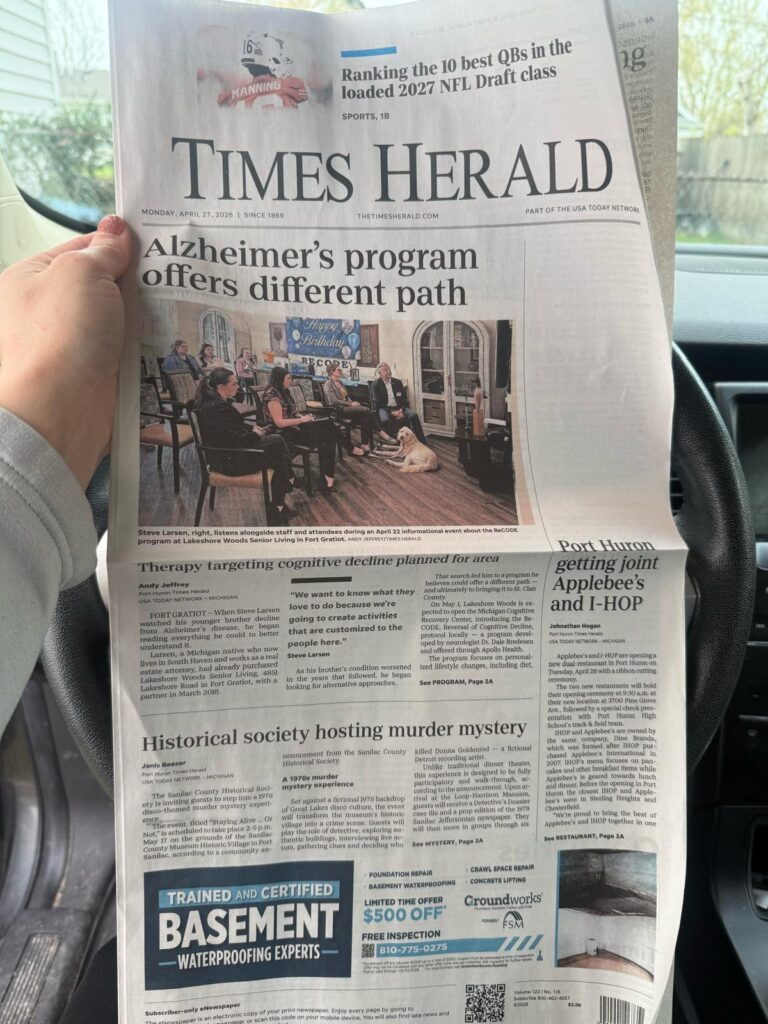
Memory Care in Michigan Lakeshore Woods Featured in The Times Herald: A Different Approach to Alzheimer’s Care
Key Takeaways
Alzheimer’s care touches many families, and finding approaches that preserve dignity and daily meaning matters. Memory care at Lakeshore Woods — a well regarded Michigan community — has gained attention for its thoughtful, person centered model. Below we outline what makes their memory care distinctive, how the Brain Health and Wellness supports cognitive rehabilitation, and the practical services residents and families can expect. This guide is meant to clarify options, highlight educational resources, and help families make informed choices as needs change.
- Lakeshore Woods provides tailored memory care programs for residents living with Alzheimer’s and other dementias in Michigan.
- The Brain Health and Wellness program uses individualized care planning and lifestyle-based strategies to support residents’ cognitive health.
- Memory care includes 24/7 support, caregivers trained in dementia care, and purposeful enrichment to improve daily life.
- Memory care differs from assisted living by offering specialized supervision and training focused on cognitive decline.
- Senior living centers prioritize safety with secure spaces, attentive staffing, and nutritious, chef-prepared meals.
- Lakeshore Woods offers a continuum of senior services so residents can transition smoothly as needs evolve.
- Workshops and tailored guidance help families understand care options and participate in planning.
- Knowing Alzheimer’s stages helps families anticipate changing needs and choose appropriate supports.
- Best practices center on compassionate care, trained staff, and meaningful activities that support well being.
What Makes Lakeshore Woods’ Memory Care Program Unique in Michigan?
Lakeshore Woods emphasizes individualized care plans, staff expertise, and a secure, welcoming environment. The program is built to promote connection and purpose — critical elements for people living with cognitive change. Staff work to address physical, emotional and social needs together, not as separate services.
For families exploring specialized Alzheimer’s care, Lakeshore Woods blends clinical know how with everyday compassion. Caregivers receive targeted dementia training and focus on honoring each resident’s preferences and life story — a practical difference that shows up in daily living and relationships.
How Does the Brain Health and Wellness Program Support Cognitive Rehabilitation?
The Brain Health and Wellness program is based on the ReCODE approach designed to support cognitive function through individualized care planning, regular monitoring, and targeted lifestyle-based strategies.
The Brain Health and Wellness program is based on the ReCODE approach developed by Dr. Dale Bredesen. According to Apollo Health, 84% of participants improved cognition in the first clinical trial, while 90% showed improvement in the 2025 randomized controlled trial. These findings relate to the clinical studies and do not guarantee individual outcomes.
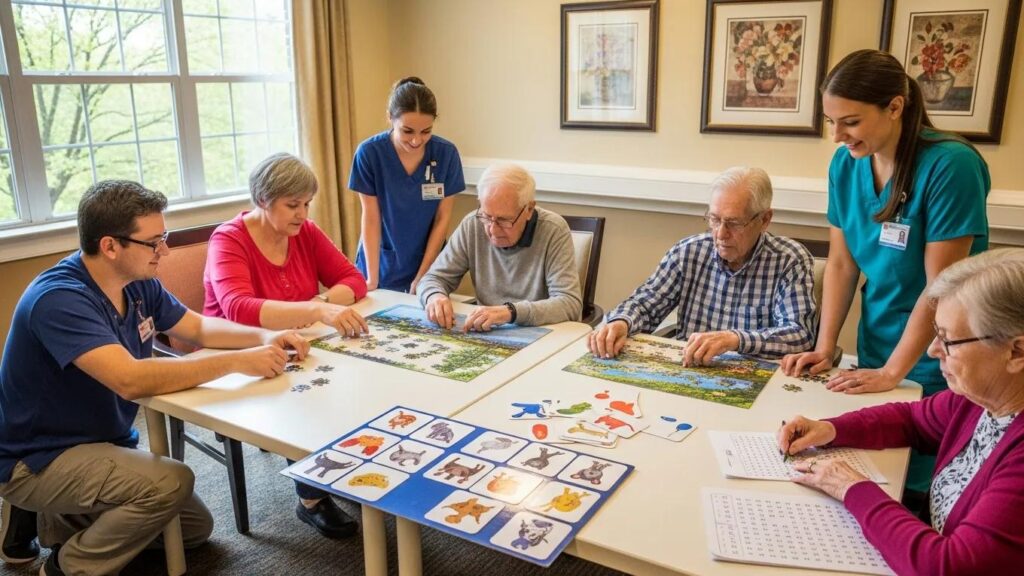
The Brain Health and Wellness program is a structured, multi modal effort that creates personalized rehabilitation plans. It combines evidence based interventions, regular monitoring, and ongoing adjustments so care stays aligned with each resident’s changing needs. The goal is to maximize function and quality of life through meaningful, targeted activities.
This individualized, multi modal approach aligns with recent research into precision and personalized treatment plans for Alzheimer’s.
Personalized Multi-Modal Treatment for Alzheimer’s
A precision medicine platform integrates genomic, imaging, clinical, lifestyle, and neuropsychological data to produce individualized multi modal treatment recommendations aimed at slowing or addressing biological drivers of Alzheimer’s disease.
Development, application, and results from a precision medicine platform that personalizes multi modal treatment plans for mild Alzheimer’s disease and at risk …, BK Kennedy, 2018
Brain Health and Wellness encourages residents to take part in purposeful activities that stimulate cognition and social connection. That combination — focused interventions plus meaningful engagement — supports both brain health and daily well being.
Recent research into personalized, multi-modal approaches highlights how addressing multiple contributing factors may support cognitive health. At Lakeshore Woods, the Brain Health and Wellness program reflects this approach through structured cognitive engagement, family involvement, and ongoing support for residents living with Alzheimer’s or dementia.
The 2025 randomized controlled trial reported improvements in memory, executive function, processing speed, and overall cognition among participants. These findings support continued research into individualized, multi-modal approaches to cognitive health.
What Personalized Alzheimer’s and Dementia Care Services Are Offered?
Lakeshore Woods provides a full range of personalized supports so each resident gets care that fits their needs and preferences. Core services include:
- 24/7 Support: Continuous, attentive care from staff who understand dementia related needs and safety concerns.
- Dementia Trained Caregivers: Team members trained in practical, compassionate approaches to communication, behavior, and daily routines.
- Enrichment Programs: Purposeful activities designed to engage residents at their level and promote social connection and meaningful routine.
These elements work together to create a predictable, supportive environment where residents can maintain comfort, dignity, and purpose.
How Does Memory Care Differ from Assisted Living at Lakeshore Woods?
Memory care and assisted living both support daily living, but memory care is specifically configured for people experiencing cognitive impairment. Assisted living is appropriate for residents who need support with tasks but not specialized supervision for cognitive decline. Explore our Memory Care options to learn more about memory care services at Lakeshore Woods.
- Specialized Supervision: Memory care units provide environmental design and routines focused on safety and reduced confusion.
- Staff Training Differences: Memory care staff receive additional training to manage cognitive symptoms and behavioral changes effectively.
- Support Tailored for Cognitive Decline: Programs and daily schedules are designed to support memory, orientation, and emotional balance.
That tailored focus helps residents stay safer, calmer, and more engaged in everyday life.
What Are the Key Features of Assisted Living Memory Care in Michigan?
Senior living centers in Michigan, including Lakeshore Woods, emphasize features that support independence, safety, and quality of life. Common features include:
- Secure Environment: Thoughtful building design and monitoring reduce the risk of wandering and confusion.
- Higher Staff Ratios: More staff per resident enables quicker response, closer supervision, and more individualized attention.
- Chef Prepared Meals: Balanced, appealing meals prepared to meet nutrition needs and individual preferences.
Together, these features create a stable daily rhythm that supports residents’ health and comfort.
How Does Lakeshore Woods Integrate Memory Care with Other Senior Services?
Lakeshore Woods offers a continuum of care so residents can move between levels of support without losing relationships or routines. Integration includes coordinated clinical supports, therapy, and social programs.
- Continuum of Care: Onsite rehabilitation, therapy, and social activities let residents access multiple services in one community.
- Personalized Care Plans: Care plans are adjusted over time to reflect changing abilities and goals.
- Family Involvement: Staff work closely with families to include them in decisions and share updates about their loved one’s care.
This coordinated approach reduces disruption and helps residents and families feel supported at each stage.
What Educational Resources Does Lakeshore Woods Provide for Alzheimer’s and Dementia?
Lakeshore Woods supports families with practical education and tools to manage care and plan ahead. Resources include:
- Workshops and Seminars: Regular sessions that cover disease education, caregiving strategies, and local support services.
- Personalized Care Guidance: Staff help families build and adjust care plans that reflect a resident’s needs and preferences.
- Cognitive Activities: Structured programs that families can learn about and continue at home to support engagement.
These resources aim to make caregiving more informed, confident, and collaborative.
How Can Families Understand Alzheimer’s Disease and Dementia Stages?
Knowing the common stages of Alzheimer’s helps families plan for changing needs. Typical stages include:
- Early Stage: Mild memory lapses and minor difficulty with familiar tasks, often manageable with support and routine.
- Middle Stage: Greater memory and judgment changes, more noticeable confusion, and increased need for supervision.
- Late Stage: Significant loss of independence, communication challenges, and full time assistance for daily activities.
Understanding these stages helps families arrange appropriate care and supports at each step.
What Are Best Practices for Alzheimer’s Care at Senior Memory Care Communities?
Effective memory care blends skilled care with everyday compassion. Best practices include:
- Compassionate Care: Approaching residents with patience, respect, and consistent routines that reduce anxiety.
- Trained Staff: Ongoing training in dementia specific care techniques and behavior support.
- Engaging Activities: Meaningful, level appropriate activities that encourage connection and cognitive stimulation.
When communities apply these practices consistently, residents experience safer, more fulfilling days.
How Do Family Testimonials Reflect the Quality of Memory Care at Lakeshore Woods?
Family stories often highlight the difference made by caring staff, clear communication, and daily attention to residents’ needs. Families frequently note improved peace of mind, trusting relationships with caregivers, and the positive effect of meaningful routines and activities on their loved ones’ mood and engagement.
These firsthand accounts reinforce Lakeshore Woods’ focus on respectful, person centered care.
How Can Prospective Residents Book Tours and Contact Lakeshore Woods for Memory Care?
To learn more or schedule a visit, families can contact Lakeshore Woods directly:
- Phone: (810) 385-3185
- Email: [email protected]
Visiting in person is the best way to meet the team, see daily life, and decide whether the community is the right fit.
Frequently Asked Questions
What types of enrichment programs are available for residents at Lakeshore Woods?
Lakeshore Woods offers a range of enrichment options—arts and crafts, music therapy, gentle exercise, memory games, and small group activities—each adapted to different cognitive levels. The goal is to create enjoyable, achievable experiences that encourage connection and routine.
How does Lakeshore Woods ensure the safety of its residents?
Safety measures include secure building design to reduce wandering risk, higher staff to resident ratios for closer supervision, and caregivers trained to anticipate and respond to dementia related behaviors. Those elements combine to create a safer, calmer environment.
What role do families play in the care process at Lakeshore Woods?
Families are partners in care: staff invite input on preferences and life history, share regular updates, and offer workshops to help families support their loved ones. Family involvement is encouraged and welcomed in day to day activities and care planning.
Are there any specific dietary considerations for residents with Alzheimer’s?
Yes. Nutrition is tailored to individual needs and preferences. Chef prepared meals focus on balanced nutrition, texture and portion adjustments when needed, and accommodations for allergies or dietary restrictions. Staff work with families to support healthy eating habits that promote well being.
What educational resources are available for families dealing with Alzheimer’s care?
Lakeshore Woods provides workshops, seminars, and one on one guidance to help families understand Alzheimer’s, caregiving strategies, and local supports. Staff also help families develop personalized care plans and suggest activities to continue at home.
How does Lakeshore Woods address the emotional needs of residents?
The community prioritizes emotional well being through consistent caregiving relationships, social activities, small group interactions, and opportunities for meaningful engagement. Staff are trained to listen, validate feelings, and create moments of calm and connection.
Conclusion
Choosing memory care is a deeply personal decision. Lakeshore Woods aims to provide individualized, compassionate care that helps residents live with dignity and connection. Programs like Brain Health and Wellness, skilled caregiving, and family education are part of a practical, person centered approach to Alzheimer’s care. To learn more or arrange a tour, reach out — the team is ready to answer questions and welcome your family.