
Compassionate Care in Assisted Living Facilities: Trusted Senior Support and Personalized Assistance
Compassionate care in assisted living communities supports seniors’ emotional health and improves daily life. Families looking for the right level of care benefit from understanding how personalised assistance works and why it matters. This article reviews core principles, practical approaches, and the measurable effects on residents’ emotional and physical well‑being. It also offers guidance on choosing communities that deliver compassionate, person‑centred care.
Key Takeaways
- Compassionate care in assisted living enhances seniors’ emotional well-being and overall quality of life.
- Personalized care plans tailored to individual needs promote dignity, independence, and holistic support.
- Ongoing staff training and family involvement are essential best practices for effective compassionate care.
- Memory care programs use structured routines and therapeutic activities to support cognitive health in seniors.
- Emotional support and social engagement reduce loneliness and anxiety among assisted living residents.
- Safety initiatives like 24/7 staff support and emergency systems ensure resident comfort and security.
- Families should assess care needs, staff qualifications, and safety features when choosing a compassionate community.
- Testimonials and reputable partnerships help families make informed decisions about assisted living options.
- Vibrant community environments foster belonging, social interaction, and enhanced satisfaction for residents.
Significance of Trusted Senior Support and Personalized Assistance
Personalised support shapes residents’ day‑to‑day happiness and health. Trusted senior support creates a respectful, caring atmosphere where people feel known and safe. Individualised care plans address each person’s needs and preferences, supporting emotional balance as well as physical care. When these elements come together, they strengthen community ties and reduce isolation.
Best Practices
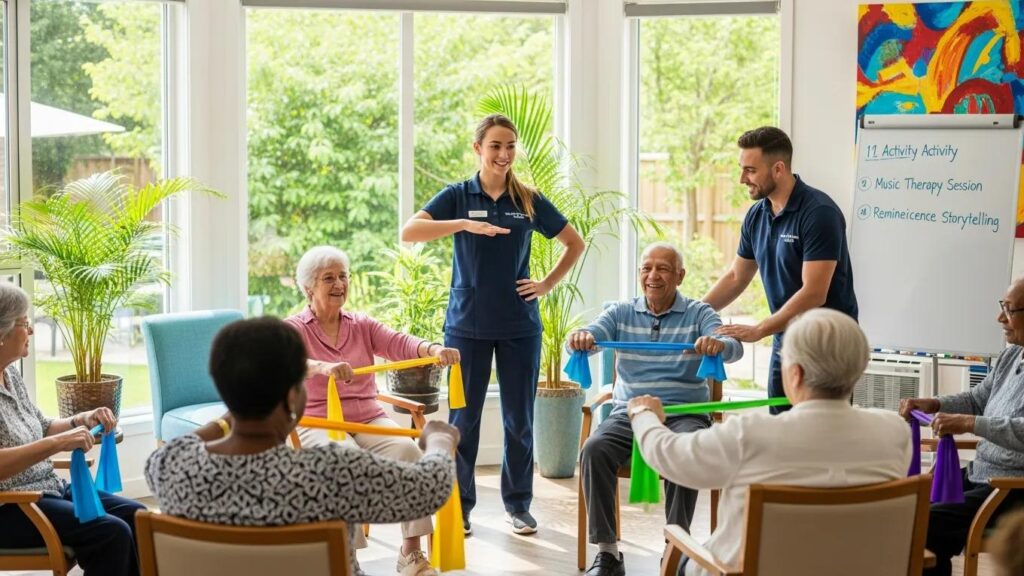
Putting proven practices into place ensures residents receive consistent, compassionate care. Key areas of focus include staff competence, meaningful engagement, and family collaboration.
- Staff Training: Continuous education for staff ensures that they are equipped with up-to-date knowledge on compassionate care techniques.
- Engagement Strategies: Activities designed to promote social interaction among residents foster a sense of belonging and community.
- Family Involvement: Encouraging family participation in care planning and daily activities can enhance communication and relationship-building.
These practices create a supportive day‑to‑day environment where residents can thrive emotionally and socially.
Ongoing professional development helps staff deliver reliable, compassionate care across all shifts and services.
Cultivating Compassionate Care Through Training and Education Initiatives
We explore various methodologies through which compassion can be significantly enhanced via targeted training programs, educational reforms, and robust organizational design, effectively leveraging brief opportune moments for intervention.
The design of compassionate care, P Crawford, 2014
Overall Impact on Residents' Well-Being
Compassionate care has a direct and measurable effect on residents’ quality of life. When emotional needs are met, people report greater satisfaction, calmer days, and more meaningful connections.
- Improved Quality of Life: Residents experience greater satisfaction and happiness when their emotional needs are met alongside their physical care requirements.
- Reduced Loneliness: Active engagement in community activities decreases feelings of isolation among seniors.
- Cognitive Engagement: Regular interaction and stimulating activities contribute to improved cognitive health and memory retention.
The combined effect of compassionate practices enriches daily living and supports long‑term well‑being.
Engaging wellness programs are central to improving older adults’ quality of life in assisted living communities.
Improving Quality of Life for Older Adults in Assisted Living Facilities
This academic endeavor aimed to develop a structured group intervention designed to enhance the quality of life and overall well-being among older adults residing in assisted living facilities (ALFs). Additionally, it sought to stimulate greater participation in purposeful activities, thereby addressing health inequities and offering educational content across various dimensions of wellness. The quality of life and well-being of older adults within ALFs are adversely affected by reduced engagement in wellness-related activities (Bartley et al., 2018; Morgan et al., 2016). Increasing Quality of Life and Well-Being Among Older Adults Living in an Assisted Living Facility Through Engaging in a Wellness Program., 2024
What is Compassionate Care in Assisted Living Communities?
Compassionate care in assisted living communities is a person‑centred approach that honours dignity, choice and emotional needs. Care teams focus on learning preferences, keeping lines of communication open, and building genuine relationships. These practices help residents feel recognised and supported within a warm, home‑like setting. Discover more about assisted living communities.
How does compassionate care promote dignity and independence for seniors?
Compassionate care supports dignity and independence by centring plans on each person’s goals and abilities. Personalised care plans encourage choice and control over daily routines while providing the right level of assistance. Combining practical help with chances for social and emotional engagement preserves autonomy and affirms personal identity.
What are the core principles of emotional well-being in elder care?
The core principles of emotional well-being in elder care include:
- Social Engagement: Regular interaction with peers and staff mitigates feelings of loneliness.
- Personalized Care: Tailored support helps meet specific emotional and physical needs, enhancing satisfaction.
- Safety and Comfort: Ensuring a secure living environment is essential for resident peace of mind.
When applied together, these principles form a stable foundation for residents’ emotional health.
Which Assisted Living Care Services Offer Personalized Support?
Many assisted living services focus on personalised support to meet residents’ daily and social needs. Common offerings include personal care assistance, medication oversight, and a range of social programmes that encourage participation and connection.
- Personal Care Services: Assistance with activities of daily living such as bathing, dressing, and personal hygiene.
- Medication Management: Ensuring residents take their medications on time and as prescribed.
- Social Activities: Organized events and gatherings foster community engagement and socialization.
Together, these services help create rounded support that addresses practical needs and nurtures emotional well‑being.
How do tailored care plans meet individual senior needs?
Tailored care plans begin with a thorough assessment and then reflect each resident’s preferences, routines and health needs. Effective plans cover daily living tasks, safe medication practices, and meaningful social engagement. By aligning care with personal goals, plans protect independence while delivering necessary support.
- Daily Living Activities: Each plan supports residents in maintaining their independence in personal care.
- Medication Management: Plans ensure that the administration of medications aligns with individual health requirements.
- Engagement in Social Activities: Encouraging residents to participate in community events helps combat isolation and promotes mental well-being.
These personalised approaches ensure residents receive care that respects their choices and preserves dignity.
Personalised healthcare, continuous monitoring, and bespoke care plans form the backbone of supported living.
Personalized Healthcare in Assisted Living: Tailored Care Plans
Personalized healthcare is essential in assisted living environments. Tailored attention and continuous monitoring, alongside customized care plans, are fundamental requirements within this setting. Personalized Healthcare Services for Assisted Living in Healthcare 5.0, J Aalam, 2025
What roles do caregivers and nursing staff play in compassionate care?
Caregivers and nursing staff deliver daily hands‑on support and emotional connection. They assist with personal care, lead activities that promote social and cognitive engagement, and monitor health so issues are addressed promptly. Their professionalism and empathy shape the quality of everyday life for residents.
- Personal Care Assistance: Helping seniors with daily activities to maintain comfort and hygiene is fundamental.
- Engagement through Activities: Organizing and facilitating activities fosters social interaction and mental engagement.
- Health Monitoring: Regular assessments of health and well-being ensure prompt attention to medical needs.
The skill, training and commitment of care teams strongly influence how residents experience safety, respect and companionship.
How Does Memory Care Support Enhance Cognitive Health in Assisted Living?
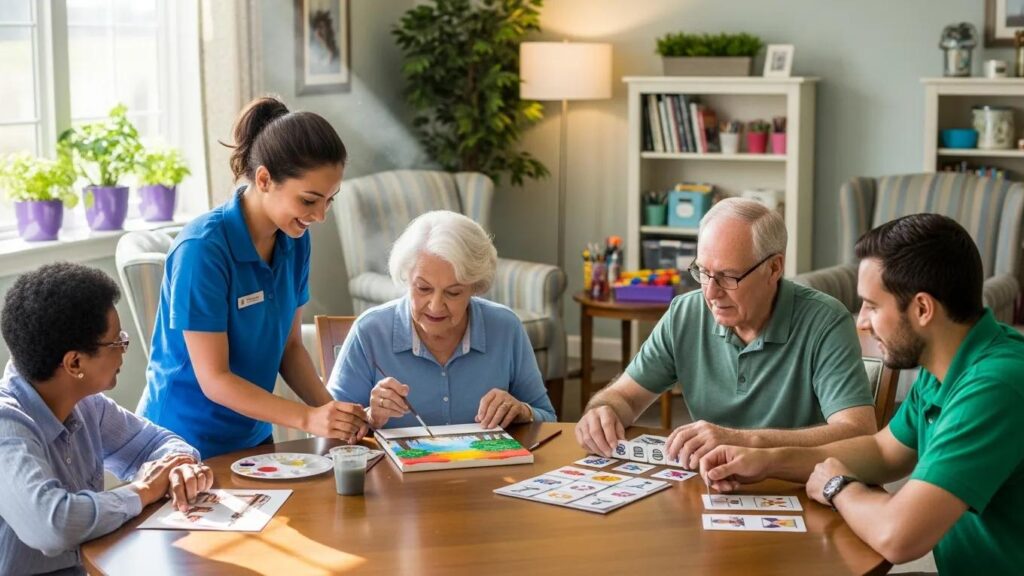
Memory care focuses on residents with cognitive impairments, providing person‑centred programmes and environments tailored to their needs. Services combine steady routines, therapeutic activities and specialised support to help residents feel secure and engaged.
- Specialized Person-Centered Care: Targeting individual needs through tailored programs that empower residents.
- Structured Routines: Consistent daily schedules are designed to help residents feel secure and reduce anxiety.
- Therapeutic Activities: Engaging in memory-supporting activities strengthens cognitive abilities.
These strategies deliver comprehensive care that respects each resident’s cognitive challenges while promoting comfort and participation. Explore specialized memory care support.
What specialized programs assist residents with dementia and Alzheimer’s?
Specialised programmes for dementia and Alzheimer’s combine clinical approaches with meaningful daily activities. Examples include targeted recovery frameworks, therapeutic sessions to stimulate memory, and opportunities for social engagement that strengthen emotional connections.
- ReCODE Program: This innovative approach focuses on comprehensive assessments and personalized treatment plans aimed at cognitive recovery.
- Therapeutic Activities: Structured activities designed to stimulate memories and improve overall cognitive engagement.
- Community Engagement: Programs encouraging participation in social settings enhance emotional connections and reduce feelings of isolation.
These specialised offerings aim to build a supportive, predictable environment that helps residents remain connected and engaged.
How does the ReCODE Program integrate innovative cognitive recovery methods?
The ReCODE Program uses detailed assessments to pinpoint cognitive strengths and challenges, then creates personalised treatment plans. It blends lifestyle guidance, nutrition and cognitive exercises to support overall brain health.
- Comprehensive Assessments: Tailored evaluations identify individual cognitive strengths and weaknesses.
- Personalized Treatment Plans: Custom plans that match therapeutic interventions with specific resident needs.
- Multimodal Interventions: Utilizing a combination of lifestyle changes, nutrition, and cognitive exercises to promote overall cognitive health.
This multi‑layered approach is designed to support cognitive function and improve daily quality of life.
Why is Emotional Support Vital in Senior Living Communities?
Emotional support underpins residents’ mental health and daily satisfaction. When communities prioritise compassion, residents feel safer, more valued and more inclined to take part in life‑enriching activities.
- Impact on Resident Well-Being: Emotional support fosters a nurturing environment where residents feel safe and valued.
- Social Connections: Building relationships with peers and staff generates a supportive community atmosphere.
- Mental Health Outcomes: Strong emotional connections are critical in mitigating feelings of anxiety and depression.
Making emotional support a priority helps prevent isolation and improves overall wellness.
How do compassionate care approaches address anxiety and loneliness?
Compassionate care reduces anxiety and loneliness through regular social opportunities, predictable routines and responsive staff. Living among peers and having daily touchpoints with trained caregivers creates steadiness and companionship.
- Community Living Benefits: Encouraging interactions and socialization among residents creates a sense of belonging.
- Daily Connections: Routine engagement with staff and fellow residents promotes emotional health through shared experiences.
- Supportive Staff: Trained staff are instrumental in providing reassurance and companionship to residents.
Applied consistently, these measures foster a warm, supportive community that eases emotional strain.
What family engagement resources support emotional well-being?
Family involvement bolsters emotional support and fosters continuity of care. Resources often include family support groups, formal engagement programmes, and regular updates that keep families informed and involved.
- Support Groups: Forums for families to share experiences and gain insights into caregiving.
- Family Engagement Programs: Structured initiatives that encourage family participation in various activities.
- Regular Communication: Ongoing updates regarding resident care foster transparency and collaboration among caregivers and families.
These resources strengthen the partnership between families and care teams, ensuring residents benefit from a broad support network.
What Benefits Do Assisted Living Communities Provide to Residents and Families?
Assisted living communities deliver social, emotional and practical support that improves daily life for residents and eases family concerns. Access to organised activities, compassionate staff and health support helps maintain comfort and dignity.
- Social Support: A built-in community where residents can establish friendships and engage in activities together.
- Emotional Support: Care models that prioritize mental health through compassionate interactions and personalized care.
- Physical Support: Access to necessary health services and assistance from trained professionals enhances residents’ comfort and security.
Combined, these benefits create a stable, nurturing environment that meets the varied needs of residents and their families.
How does a vibrant community foster belonging and quality of life?
A vibrant community builds belonging through regular programmes, respectful interactions and active family participation. These elements encourage friendships, shared purpose and a stronger sense of home.
- Social Engagement: Regular activities and events encourage interaction among residents, fostering friendships.
- Supportive Environment: Thriving communities are built on mutual respect and assistance, enhancing overall resident satisfaction.
- Family Involvement: Active engagement from family members cultivates a richer community fabric, allowing for shared experiences.
These dynamics help residents feel included, valued and more satisfied with their daily lives.
What safety and health initiatives ensure resident comfort and security?
Safety and health measures form the foundation of a secure living environment. Key initiatives include round‑the‑clock staff presence, reliable emergency call systems and regular safety checks to prevent risks.
- 24/7 Staff Support: Continuous monitoring ensures immediate assistance for residents’ needs.
- Emergency Call Systems: Robust systems provide residents with easy access to help in emergencies.
- Routine Safety Inspections: Regular assessments maintain a secure living environment, prioritizing residents’ safety.
These proactive steps create an atmosphere where residents and families can feel secure and confident in daily life.
How Can Families Choose the Right Compassionate Assisted Living Community?
Choosing the right community involves matching care options to the resident’s needs and values. Families should review assessments, examine feedback from other residents and confirm that safety and care standards meet their expectations.
- Care Needs Assessment: Understanding the specific requirements of their loved one is foundational for making informed choices.
- Reputable Reviews: Engaging with testimonials from other families can provide insights into community dynamics and service quality.
- Safety Features: Evaluating the community’s safety protocols helps families make decisions with confidence regarding their loved one’s security.
Considering these factors helps families find a compassionate community that aligns with their loved one’s needs and priorities.
What questions should families ask about care services and staff expertise?
Families should ask about staff training, emergency procedures and how families can stay involved. Clear answers on qualifications, response plans and communication methods indicate a community’s readiness to provide dependable care.
- Staff Qualifications: What training and certifications do staff members have to provide care?
- Emergency Protocols: How does the staff respond in emergency situations, and what systems are in place?
- Family Involvement: How can families engage in the care process, and what opportunities exist for regular communication?
Asking focused, practical questions helps families assess whether a community meets their standards for compassionate, professional care.
How do testimonials and reputable partnerships aid in decision-making?
Testimonials and partnerships provide real‑world insight and context. Positive feedback from residents and families builds trust, while relationships with respected healthcare partners signal a commitment to care standards.
- Building Trust: Positive feedback from residents and families enhances credibility and helps families feel reassured.
- Impact of Partnerships: Collaborations with recognized organizations and healthcare providers can indicate a commitment to high standards of care.
- Demonstrating Outcomes: Sharing success stories provides tangible evidence of a community’s effectiveness in delivering compassionate care.
These elements together help families make clearer, more confident choices about where to place their trust.
For families seeking a different level of independence, explore options for independent living. For situations that require specialised end‑of‑life support, learn more about hospice care.
Frequently Asked Questions
What should I look for when evaluating compassionate care in assisted living communities?
Look for evidence of strong staff training, clear individual care plans, and meaningful resident engagement. Positive testimonials and visible interactions between staff and residents indicate a caring culture. Also confirm safety measures and 24/7 availability. Visiting and observing daily life is one of the best ways to judge a community’s approach.
How can families actively participate in their loved ones' care in assisted living?
Families can join care planning meetings, visit regularly, and take part in community activities. These actions strengthen bonds and help staff tailor care to the resident’s preferences. Open, ongoing communication with caregivers ensures concerns are addressed and care remains aligned with the resident’s needs.
How can I assess the emotional well-being of my loved one in assisted living?
Observe mood, social engagement and interest in activities during visits. Ask residents how they feel about daily life and seek staff feedback on social participation. Noticing changes in behaviour or withdrawal can indicate a need for adjustment in support or programming.
What role do community activities play in enhancing the quality of life?
Activities give residents chances to form friendships, stay mentally active and enjoy shared experiences. Well‑designed programmes reduce isolation, stimulate cognition and create meaningful routine. Communities that invest in varied, accessible activities tend to report higher resident satisfaction.
What are some common misconceptions about assisted living communities?
Common misconceptions include thinking assisted living is the same as higher‑level clinical care or that it lacks social life. In reality, communities focus on independence, personalised support and active social programmes. Many residents enjoy a rich social calendar and tailored care that preserves dignity.
How does individualized care impact the mental health of seniors?
Individualised care supports mental health by honouring personal preferences and maintaining independence. Plans that include social engagement and meaningful routines reduce anxiety and depression, and they reinforce a resident’s sense of worth and purpose.
What can families do if they notice their loved one is unhappy in assisted living?
If a loved one seems unhappy, start by listening to their concerns and discussing observations with staff. Review and adjust the care plan, increase social participation, or explore alternative communities if needed. Keeping the resident’s voice central to decisions is essential to improving their experience.
Conclusion
Embracing compassionate care in assisted living communities strengthens residents’ emotional health and sense of belonging. Person‑centred support improves quality of life and builds a lively, connected community that counters isolation. Families seeking thoughtful, expert care can evaluate tailored options that prioritise individual needs and dignity. Learn how our community’s dedicated approach can support your family today.
Disclaimer:
Some images used in this blog are AI-generated and are included for illustrative purposes only. If you have any questions about our services or community, please contact us through our website or call (810) 385-3185 for assistance