
Discover the Top Advantages of Assisted Living for Seniors: Benefits, Care, and Community
Choosing the right senior living option can feel overwhelming for families and older adults. Assisted living combines personalised care with a lively social environment to improve daily life. It supports safety, preserves independence, and focuses on overall well‑being. From better health outcomes and social connection to tailored care services, assisted living offers a rounded approach that helps residents live with dignity and purpose.
This article outlines the practical benefits of assisted living, showing how it supports health, encourages social connection, and preserves independence. We highlight core advantages like improved health, regular social engagement, and balanced meals, and explain how assisted living differs from independent living. For those seeking greater autonomy without daily support, consider exploring independent living as an alternative.
Key Takeaways
- Assisted living offers personalized care that addresses seniors’ health needs and promotes overall well-being.
- Social engagement in assisted living communities reduces loneliness and enhances emotional and cognitive health.
- Residents maintain independence with support for daily activities and access to safety measures.
- Medication management and nutritious meals are key components of assisted living health services.
- Assisted living provides more comprehensive care compared to independent living, including 24/7 support.
- Memory care programs within assisted living offer specialized services for cognitive health and safety.
- Community activities foster social wellness, emotional support, and a strong sense of belonging among residents.
- Customized care plans ensure that individual needs are met and adapt over time as required.
- Families should evaluate care quality, safety, and community engagement when choosing assisted living options.
Key Benefits of Senior Assisted Living
Assisted living aims to boost seniors’ quality of life by combining practical support with a caring community. The most notable benefits include improved health, regular social interaction, and help that preserves independence.
- Health Improvements: Residents receive personalized care that addresses their individual health needs, including daily personal assistance, medication management, and access to wellness programs.
- Social Engagement: Assisted living communities host a variety of social activities that encourage interaction and connection, helping to reduce feelings of loneliness and isolation.
- Enhanced Independence: While assistance is available when needed, seniors maintain a level of independence. They can carry out daily activities with the support they require.
Recognising these benefits helps families see how assisted living can meaningfully improve a loved one’s everyday life.
Health Improvements
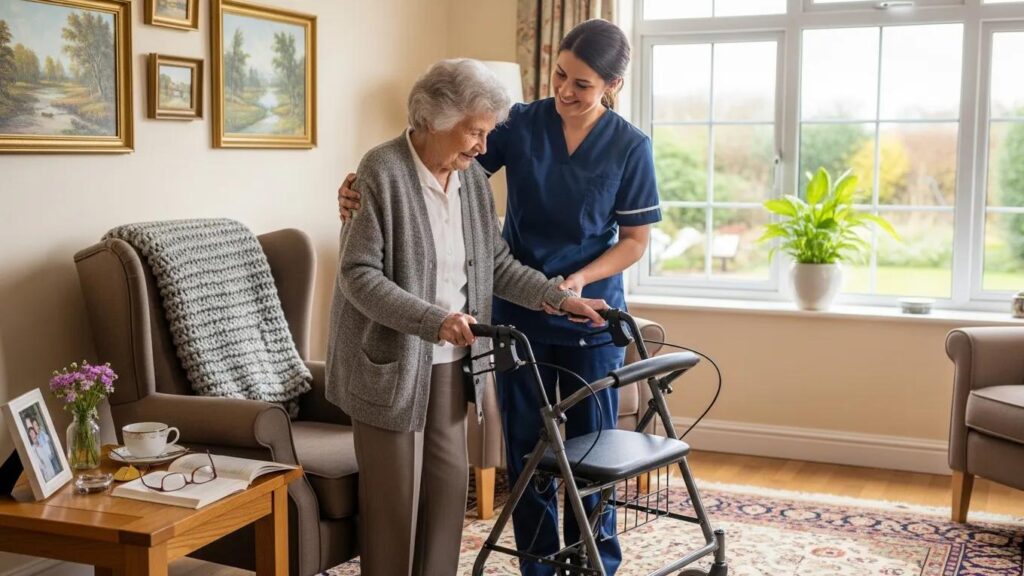
Personalised care in an assisted living community often leads to better health outcomes. Regular personal assistance preserves dignity while meeting daily needs. Nutritious meals prepared for dietary requirements and wellness activities for both body and mind further support residents’ physical and mental health. Together, these elements create an environment where seniors can enjoy fuller, healthier lives.
Social Engagement

Social programmes are central to emotional and psychological well‑being. Assisted living communities provide a range of activities—arts, outings, fitness classes—that help residents form friendships and stay active. Regular interaction reduces isolation, lifts mood, and supports cognitive health, making social life a cornerstone of daily care.
Enhanced Independence
These communities strike a balance between support and autonomy. Residents receive help with tasks like bathing or dressing while keeping their own living space and routines. Safety features and trained staff add peace of mind, so seniors can continue doing what they enjoy with confidence and purpose.
How Does Assisted Living Enhance Independence and Safety for Seniors?
Assisted living strengthens both independence and safety through tailored services and reliable support systems. These measures help residents manage daily life and maintain meaningful routines.
Personalized Care
Personalised care plans are foundational to assisted living. Each resident is assessed so support matches their needs—help with ADLs, mobility, or other tasks—while preserving choice and autonomy. Families can be confident care respects the resident’s preferences and promotes independence within a supportive community.
Medication Management
Medication management is a key safety practice. Trained staff oversee prescription schedules and administration to reduce errors and potential complications. This oversight eases family concerns by ensuring medications are managed consistently and correctly.
Nutritious Meals
Healthy, chef‑prepared meals are a core part of care. Menus are adapted for dietary restrictions and personal preferences, and shared dining encourages social connection. This combined focus on nutrition and community supports both physical health and emotional well‑being.
What Personalized Care Services Support Daily Living Needs?
Assisted living offers a range of personalised services designed to meet everyday needs and preserve dignity. Common supports include personal care assistance, medication oversight, and meaningful social activities.
- Personal Care Assistance: Help with essential daily tasks, such as grooming, bathing, and dressing, ensuring dignity and comfort.
- Medication Management: Monitoring and administering medication to prevent errors and maintain health standards.
- Social Activities: Engagement in community events and recreational activities to foster social interaction and emotional support.
These tailored services work together to improve daily life and promote overall well‑being for residents.
How Do Assisted Living Communities Compare to Independent Living Options?
Assisted living differs from independent living in the level and scope of care provided. Assisted living blends housing with supportive services, while independent living focuses primarily on housing and social opportunities for self‑sufficient seniors.
- Different Levels of Care: Assisted living communities offer around-the-clock support for residents who need assistance, while independent living typically caters to more self-sufficient seniors.
- Services Offered: In assisted living, seniors have access to health monitoring and help with daily activities, whereas independent living focuses more on housing and social connectivity without a direct provision of care.
- Financial Implications: Cost structures can vary widely, with assisted living generally requiring a higher investment due to its comprehensive care services.
Knowing these distinctions helps families select the option that best matches a loved one’s care needs and lifestyle preferences.
What Distinguishes Assisted Living Services from Independent Living?
Assisted living and independent living serve different needs. Assisted living provides hands‑on support like personal care and medication oversight; independent living prioritises autonomy and social activities for more active seniors.
- Care Services Comparison: Assisted living provides necessary support such as personal care and medication management, while independent living focuses on providing a living space for active seniors.
- Independence Levels: Residents in independent living typically enjoy greater autonomy without the need for extensive support, contrasting with the personalized assistance offered in assisted living.
- Community Support Features: Assisted living communities feature staff available around the clock to respond to emergencies, while independent living may not provide immediate assistance.
Matching the level of support to a person’s health and preferences ensures the living arrangement enhances their quality of life.
How Does the Level of Support Affect Quality of Life?
The level of support directly influences a resident’s comfort, safety, and satisfaction. Appropriate assistance enables participation in activities and daily routines that enrich life.
- Direct Relation Between Support and Quality of Life: Residents receiving consistent support often report better emotional health, as they can rely on caregivers for help while maintaining independence.
- Emotional and Physical Benefits: Comprehensive care allows seniors to engage in physical and recreational activities, contributing to improved fitness levels and emotional happiness.
- Importance of Community Integration: Assisted living fosters connections with others, enhancing social well-being which is crucial for mental health.
When support is well matched to needs, residents experience greater happiness, health, and engagement in daily life.
What Are the Advantages of Memory Care Within Assisted Living?
Memory care within assisted living offers focused support for people living with dementia or Alzheimer’s. It provides specialised staff, cognitive stimulation programmes, and environments adapted for safety and comfort.
- Specialized Care: Dedicated staff trained in managing memory-related illnesses provide residents with specialized attention that enhances their well-being.
- Cognitive Engagement Programs: Activities designed to stimulate cognitive function help to maintain mental acuity in residents with cognitive decline.
- Safety Features in Memory Care: Physical environments are tailored to ensure the safety and security of residents with memory impairments.
These targeted services support dignity, reduce risk, and help residents live with greater comfort. For more specialised options, consider the benefits of memory care.
How Do Specialized Memory Care Programs Like RECODE Support Cognitive Health?
Programs like RECODE focus on comprehensive approaches to cognitive support, blending supervision, personalised engagement, and nutrition to protect and stimulate brain health.
- 24/7 Supervision: Ensuring constant oversight to keep residents safe and secure, lowering the risk of wandering or other dangers.
- Personalized Cognitive Engagement Activities: Tailoring activities to the interests of residents helps stimulate their cognitive function actively.
- Nutritional Aspects: Offering balanced diets that support brain health further complements the cognitive engagement provided.
This combination helps preserve function and comfort. The RECODE program is an example of this specialised approach.
What Safety and Security Measures Protect Seniors with Dementia or Alzheimer’s?
Safety features are essential for residents with cognitive impairment. Key measures include emergency response systems, staff trained in memory care, and environments designed to reduce confusion and risk.
- Emergency Call Systems: Immediate response systems ensure that help is accessible at all times, providing peace of mind for families.
- Trained Staff for Supervision: Staff members are trained to care for residents with memory impairments, ensuring appropriate responses to their unique needs.
- Designed Environments for Cognitive Needs: Assisted living spaces specifically cater to the cognitive challenges faced by residents, aiding navigation and safety.
Together, these measures create a safer, more supportive setting that protects residents while respecting their independence.
How Do Assisted Living Communities Foster Social Wellness and Engagement?
Communities intentionally create opportunities for connection through organised events, varied programmes, and shared spaces that bring residents together and build friendships.
- Community Activities: Structured events help residents interact, fostering relationships and emotional support among peers.
- Structured Engagement Activities: Diverse offerings reduce loneliness by providing varied stimulation and entertainment throughout the week.
- Variety of Offered Activities: Residents can choose from arts and crafts, exercise classes, and community outings, which enrich their daily lives.
These social structures strengthen emotional health and create a welcoming sense of belonging across the community.
What Social and Recreational Activities Enhance Emotional Well-Being?
Residents can take part in many activities that boost mood and mental sharpness. Regular group options, cognitive games, and shared projects help build connection and purpose.
- Regular Engagement Options: Activities such as group games and weekly outings encourage social interaction.
- Cognitive Enhancement Activities: Puzzles, games, and reading clubs promote mental stimulation and cognitive health.
- Community Building Through Shared Experiences: Events like cooking classes or gardening foster a sense of belonging and camaraderie among residents.
These shared experiences contribute to emotional resilience and greater daily satisfaction for residents.
How Does Community Life Promote a Sense of Belonging?
Community life gives residents chances to form meaningful relationships through regular interaction and shared interests, which supports emotional security and companionship.
- The Role of Shared Activities: Participating in communal events fosters camaraderie and creates lasting friendships, enriching the daily lives of residents.
- Importance of Peer Relationships: Building relationships with peers helps mitigate feelings of loneliness and promotes social engagement.
- Emotional Security from Community: A supportive community environment nurtures emotional security, offering comfort to residents and their families.
This supportive network helps residents feel at home and emotionally safe within their community.
What Should Families Know When Choosing Senior Assisted Living Services?
Families should evaluate specific aspects of a community, including the range and quality of care services, staff expertise, and opportunities for social connection and family visits.
- What to Look for in Service Offerings: Assess the variety and quality of care services available at the community.
- Questions to Ask During Tours: Engage with staff about care protocols, security measures, and resident engagement activities.
- Importance of Location: Consider the proximity of the community to family members to facilitate regular visits.
Being informed about these elements helps families choose a community that best supports their loved one’s health and happiness.
How Can Customized Care Plans Meet Individual Needs?
Customized care plans are central to effective assisted living. They match services to each person’s needs, detail available supports, and change over time as requirements evolve.
- Importance of Tailored Care: Personalized plans ensure seniors receive the exact support they need while respecting their preferences.
- Access to Necessary Services: Families should review available services to ensure that all medical and personal care aspects are covered.
- Adaptation of Care Plans Over Time: Care plans should be flexible and updated as residents’ needs evolve.
Prioritising personalised plans ensures residents get the right care at the right time, preserving comfort and independence.
What Are the Steps to Arrange a Tour and Connect with the Community?
Scheduling a tour is an important step. Contact the community, prepare questions about care and daily life, and use the visit to observe staff interactions and resident engagement.
- How to Contact the Community: Start by reaching out to the community for initial inquiries.
- What to Prepare for the Visit: Prepare specific questions and topics to discuss during the tour, focusing on your loved one’s needs.
- Questions to Ask During Tours: Inquire about staff qualifications, care services, and community activities to gauge compatibility.
Visiting in person lets families assess the atmosphere and decide whether the community aligns with their loved one’s needs and values.
Frequently Asked Questions
What types of services are typically included in assisted living?
Communities usually offer a mix of personal care—help with bathing, dressing, and grooming—along with medication management, social and recreational programming, meal preparation that accounts for dietary needs, and wellness activities focused on physical and mental health.
How can families assess the quality of care provided in assisted living?
Families should tour multiple communities, ask about staff training and caregiver-to-resident ratios, review inspection reports, and read testimonials from residents and families. Observing interactions during a visit and speaking directly with staff and current residents gives valuable insight into the day‑to‑day standard of care.
Are there specific safety features in assisted living for seniors with cognitive impairments?
Yes. Many communities include secure systems to prevent wandering, emergency response equipment, and staff trained in memory support. Thoughtful design—clear signage, safe walking paths, and calming spaces—also helps residents navigate the community safely while keeping their independence.
What role do families play in the care planning process for seniors?
Families are key partners in care planning. Their input helps shape personalised plans, set preferences, and monitor changes. Regular communication with care staff ensures plans remain current and aligned with the resident’s needs and wishes.
How do assisted living communities support social interaction among seniors?
Communities schedule diverse activities—classes, clubs, outings, and shared meals—to promote interaction. Staff encourage participation and create welcoming spaces where residents can build friendships and maintain an active social life.
Can residents choose their own daily activities in assisted living?
Yes. Residents are encouraged to select activities that match their interests and abilities. This flexibility supports autonomy and helps individuals stay engaged in ways that matter to them.
What are some common misconceptions about assisted living?
A common misconception is that assisted living is the same as higher‑level medical care; in reality, assisted living focuses on support that preserves independence, whereas more intensive medical settings serve those with advanced medical needs. Many active seniors also benefit from the social and supportive environment, not just those with serious health problems.
Conclusion
Assisted living combines personalised support with social connection to enhance residents’ health and happiness. Choosing a community that values companionship and tailored care brings families reassurance and helps seniors thrive. If you would like to learn more about community options, please contact us to discuss how we can support your loved one’s well‑being.
Disclaimer:
Some images used in this blog are AI-generated and are included for illustrative purposes only. If you have any questions about our services or community, please contact us through our website or call (810) 385-3185 for assistance.