
Unlocking the Benefits of Assisted Living Supportive Services for Senior Well-Being
Supportive services in assisted living are essential to improving seniors’ quality of life. As people age, they often face practical challenges with daily routines and health management; these services provide both skilled help and compassionate oversight. This article explains the range of supportive services offered in assisted living communities — from personal care to cognitive recovery — and how they help create a safe, engaging environment for older adults.
These services do more than assist with everyday tasks; they also promote emotional and social connection, which is crucial for mental well-being. Below we outline the main categories of support, including personal care, medication management, and memory care, and describe how they work together to enhance residents’ daily lives.
Key Takeaways
- Assisted living supportive services enhance senior well-being by balancing independence with necessary daily living assistance.
- Personal care assistance includes help with bathing, dressing, grooming, and meal preparation to ensure seniors’ comfort.
- Medication management systems reduce health risks by ensuring seniors adhere to prescribed medication schedules accurately.
- Memory care programs provide structured activities and therapies to support seniors with cognitive impairments.
- The RECODE program uses lifestyle and nutrition strategies to promote cognitive recovery and brain health in seniors.
- Wellness and social engagement services improve emotional health by fostering physical activity and community interaction.
- Assisted living communities create a sense of belonging through inclusive activities that combat loneliness among residents.
- Safety features like emergency systems and accessible design ensure secure and comfortable living environments for seniors.
- Family and caregiver support services enhance care quality by promoting communication, education, and collaborative involvement.
What Are Assisted Living Supportive Services and How Do They Enhance Senior Care?
Assisted living supportive services cover professional help for daily living and health needs, designed to maintain dignity while providing necessary assistance. By combining independence with skilled care, these services improve physical health, ease daily routines, and support emotional wellness, contributing to a higher overall quality of life for residents.
Defining Personal Care Assistance and Daily Living Support
Personal care assistance includes help with bathing, dressing, grooming, and meal preparation. Daily living support extends to medication reminders, transport to appointments, and light housekeeping. When these basic needs are met consistently, residents can focus on meaningful activities and maintain as much independence as possible while knowing reliable help is available.
How Medication Management Improves Health Outcomes for Seniors
Medication management aims to ensure residents take the right medicines at the right times. Memory lapses and dosage confusion can lead to serious risks; structured systems — like reminders and staff oversight — lower those risks. Consistent medication support reduces hospital visits and helps manage chronic conditions more effectively.
How Do Memory Care Programs Benefit Seniors With Cognitive Needs?
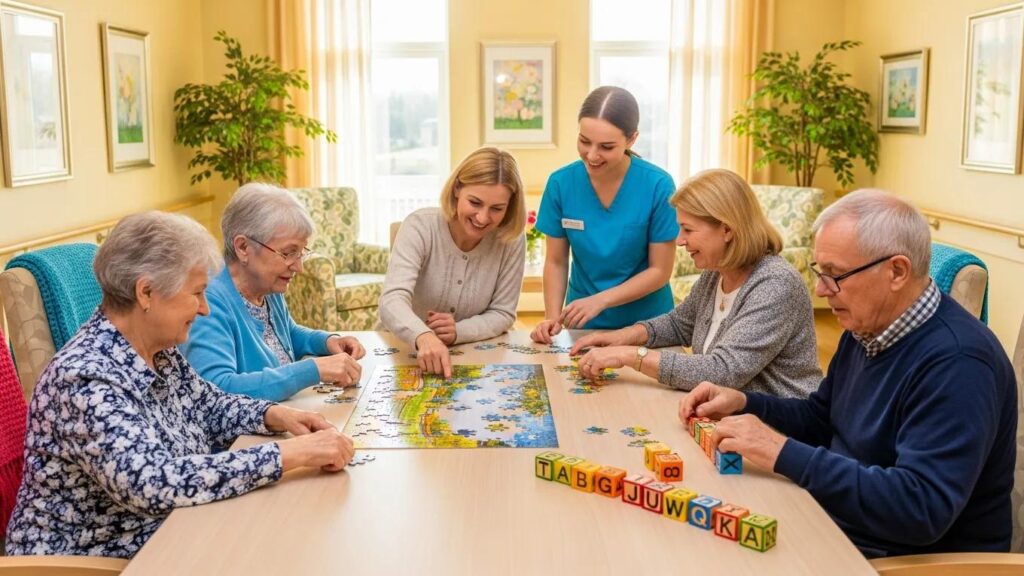
Memory care programs are tailored to support residents living with cognitive impairment, such as Alzheimer’s or other forms of dementia. These programmes focus on safety, routine, and engagement to help preserve cognitive skills. Structured activities and targeted therapies maintain mental stimulation and provide a reassuring, stable environment for residents.
What Specialized Services Are Included in Memory Care Programs?
Typical memory care services include consistent daily routines, cognitive therapies, and activities designed to meet individual strengths and needs. These supports offer practical help while fostering a sense of purpose and connection, helping residents remain engaged and emotionally supported.
How Does the RECODE Program Support Cognitive Recovery?
The RECODE program uses evidence-based lifestyle and nutritional strategies alongside cognitive exercises to support brain health. Its tailored approach addresses individual needs and offers structured guidance on diet and activity that may help slow or potentially reverse cognitive decline. For information on advancing cognitive health, consider exploring the RECODE program.
Which Wellness and Social Engagement Services Promote Emotional Well-Being?

Wellness and social programmes — such as fitness classes, art therapy, outings, and support groups — play a central role in emotional health. Regular activity and shared experiences reduce isolation, promote movement, and build friendships, all of which contribute to a stronger sense of wellbeing among residents.
How Do Assisted Living Communities Foster a Sense of Belonging?
Communities foster belonging by creating inclusive opportunities for residents to connect around shared interests. Group activities, clubs, and social events help residents build relationships and feel part of a supportive network, directly addressing loneliness and reinforcing a feeling of home.
What Safety Features Ensure Secure and Comfortable Senior Living?
Safety features are essential to residents’ comfort and peace of mind. Common measures include emergency response systems, controlled entry points, and living-space designs that reduce fall risk. These precautions let residents and families feel confident that daily life is both safe and dignified.
How Are Assisted Living Environments Designed for Senior Safety?
Design for safety focuses on accessibility and accident prevention: handrails, non-slip floors, clear layouts, and wheelchair-friendly pathways are standard. Thoughtful design supports independence while lowering the risk of injury, helping residents move about with greater confidence.
What Emotional Support Services Help Seniors Feel Secure and Valued?
Emotional support services — including counselling, group therapy, and peer support — help residents manage change, grief, and stress. Access to these resources builds resilience, strengthens coping skills, and reinforces that each person is seen, heard, and valued within the community.
How Do Family and Caregiver Support Services Enhance the Assisted Living Experience?
Family and caregiver services recognise that care is a team effort. Offerings such as family counselling, education sessions, and regular updates keep loved ones informed and involved. This collaborative approach strengthens trust and ensures care plans reflect residents’ values and preferences.
What Resources Are Available for Families Involved in Senior Care?
Families can access workshops, community meetings, and individual consultations with care staff to learn about best practices and what to expect. These resources equip families to participate confidently in care decisions and support their loved ones more effectively.
How Does Assisted Living Facilitate Caregiver Partnerships and Trust?
Communities prioritise clear communication and transparency to build strong partnerships with families. Regular updates, open dialogue, and responsive staff help families feel heard and respected, creating a foundation of trust that benefits residents and caregivers alike.
What Senior Living Care Options Complement Supportive Services in Assisted Living?
Many communities offer complementary options such as independent living, memory care, and hospice services. These options provide a continuum of care so residents can transition to the level of support they need without leaving the same community, ensuring continuity and peace of mind.
How Does Assisted Living Differ From Independent Living and Hospice Care?
Assisted living blends independence with daily supports, differing from independent living, which emphasises a self-directed lifestyle without regular care assistance, and hospice, which focuses on comfort and palliative care near the end of life. Understanding these distinctions helps families choose the right setting for their loved one’s needs.
What Personalized Assisted Living Care Plans Tailor Support to Individual Needs?
Personalised care plans are created from comprehensive assessments that consider medical history, preferences, and daily routines. Tailoring support to each resident ensures practical needs are met while promoting autonomy and engagement, which enriches everyday life.
| Service | Benefit | Impact |
|---|---|---|
| Personal Care Assistance | Facilitates daily living | Enhances independence |
| Medication Management | Reduces health risks | Improves adherence |
| Memory Care Programs | Supports cognitive function | Enhances quality of life |
The range of services in assisted living demonstrates how personalised support helps residents live more fully. By focusing on individual needs and preferences, communities create a reliable network of care that empowers residents, supports assisted living, and prioritises overall wellbeing.
Frequently Asked Questions
What types of supportive services can families expect in assisted living communities?
Communities offer a comprehensive mix of services tailored to daily needs: personal care such as bathing and grooming, medication management to ensure safe adherence, and specialised memory care for cognitive impairment. Wellness and social activities round out care by supporting physical health and emotional connection.
How do assisted living communities ensure the safety and security of their residents?
Safety is addressed through multiple layers: emergency alert systems, secure entry points, thoughtful room layouts, and staff training. Regular safety checks and protocols help ensure quick responses when needed, giving residents and families confidence in daily life.
How can family members participate in the care of their loved ones?
Families are invited to join the care process through education sessions, counselling, and routine updates from staff. Open communication channels allow families to share input and remain active partners in care decisions that reflect their loved one’s preferences.
What are the benefits of social engagement activities in assisted living?
Social activities reduce isolation and build meaningful relationships. Group classes, fitness sessions, and creative programmes boost mood, support cognitive function, and create a lively community where residents can pursue interests and make friends.
Are there personalized care plans in assisted living communities?
Yes. Care plans are tailored after thorough assessments of health, preferences, and daily routines. Personalised plans help communities deliver the right level of support while preserving residents’ independence and quality of life.
How do memory care programs differ from general assisted living services?
Memory care focuses specifically on residents with cognitive challenges, offering structured routines, targeted therapies, and enhanced safety measures. While general assisted living supports daily tasks, memory care emphasises cognitive engagement and specialised approaches to help residents thrive.
What role do nutrition and diet play in senior wellness within assisted living?
Good nutrition supports both physical health and cognitive function. Communities provide meal plans that respect dietary needs and preferences, which can boost energy and wellbeing. Shared meals and food-related activities also promote social interaction and enjoyment.
Conclusion
Assisted living supportive services enrich residents’ lives by combining personalised care with emotional and social support. These services bridge independence and practical assistance so seniors can feel safe, engaged, and valued. By exploring options that match individual needs, families can find the right support to help their loved ones thrive in a caring community.
Disclaimer:
Some images used in this blog are AI-generated and are included for illustrative purposes only. If you have any questions about our services or community, please contact us through our website or call (810) 385-3185 for assistance.