
Independent Living: Active Senior Living Options and Amenities for Engaged Older Adults
Independent living gives older adults a chance to live with freedom while enjoying a supportive community. Below, we outline the active senior living options and amenities that help residents stay healthy, connected, and purposeful. You’ll find clear definitions, the main benefits of independent living, and the services that support an active daily life. Many seniors want to keep their independence while having easy access to services, social opportunities, and wellness resources. This guide covers what independent living looks like, typical community features, wellness programming, and how families handle a move to assisted care when the time comes.
Key Takeaways
- Independent living lets seniors keep autonomy while offering supportive amenities and plenty of social engagement.
- Communities usually pair private residences with on-site fitness centers, dining, and communal spaces designed for connection.
- Active senior living supports physical health and emotional well-being through targeted activities and wellness offerings.
- Wellness services commonly include routine health screenings, nutritional guidance, and structured fitness programs.
- The RECODE program supports cognitive function through training, brain-healthy nutrition, and social activities.
- Moving from independent to assisted living involves assessing care needs, researching options, and offering emotional support during the transition.
- Costs typically include monthly rent plus optional fees; a variety of financial assistance options may be available.
- Clear pricing and a full view of amenities help seniors and families make informed choices about communities.
What Is Independent Living and How Does It Support an Active Senior Lifestyle?
Independent living describes housing built for older adults who can live on their own but prefer the convenience, social opportunities, and services a community provides. These neighborhoods balance private living with shared amenities, so residents enjoy solitude when they want it and companionship when they don’t. The biggest benefit is the chance to live actively—through planned activities, fitness offerings, and easy access to neighbors—supporting overall health and a sense of purpose.
Defining Independent Living in Senior Housing Communities
Independent living communities are tailored for seniors who are largely self-sufficient but value on-site conveniences. Most offer private apartments or cottages alongside communal spaces for dining, activities, and socializing. Unlike assisted living, independent living focuses on lifestyle enhancement rather than ongoing medical or nursing care.
Benefits of Active Senior Living for Autonomy and Wellness
Active senior living supports independence by pairing comfortable, private living spaces with programs that encourage participation and connection. Residents choose from fitness classes, hobby groups, and social events that match their interests—activities that boost physical stamina and mental resilience while reducing isolation. Many communities also provide light daily assistance with respect and discretion, so residents can maintain independence while getting help when they need it.
For those exploring independent living, Lakeshore Woods Seniors offers personalized tours and consultations to help you compare options and find the right fit.
Which Senior Amenities Enhance Quality of Life in Independent Living Communities?
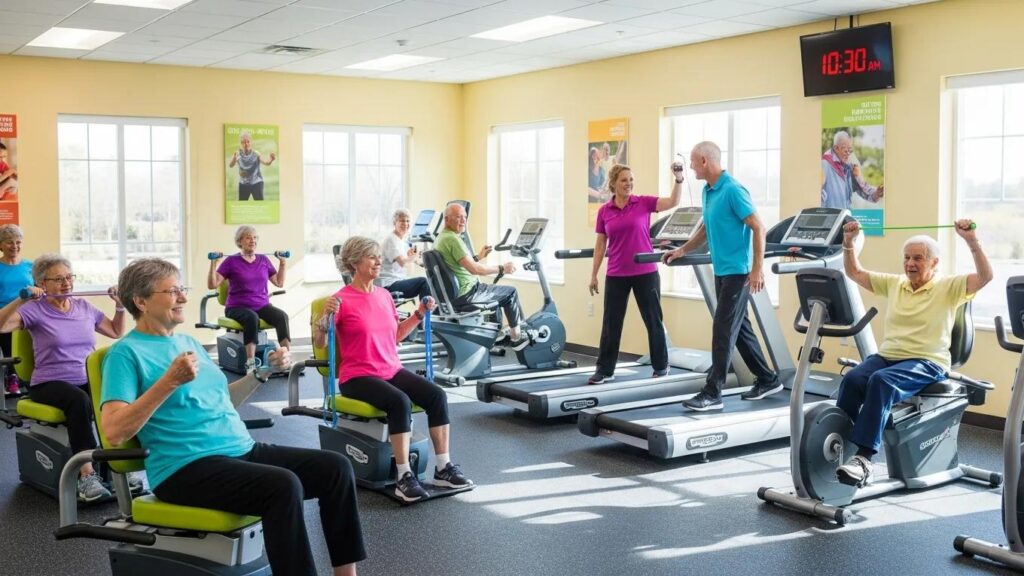
A well-designed amenity program can transform daily life in an independent living community. Amenities are chosen to promote safety, convenience, and social life—so residents can spend less time on chores and more time on the things they enjoy.
Comprehensive Amenities Offered in Senior Apartments
Independent living communities commonly include amenities that meet everyday needs and encourage healthy habits. Typical offerings include:
- Fitness Centers: Senior-focused equipment and classes that support strength, balance, and mobility.
- Dining Services: Nutritious, chef-prepared meals with options for special diets and varied tastes.
- Social Spaces: Comfortable lounges, activity rooms, and outdoor areas where neighbors gather and events happen.
These services add convenience and help build a true sense of community among residents.
Social Activities and Engagement Programs for Seniors
Social programming is central to independent living. Communities often run calendars of events and clubs that include:
- Group Outings: Organized trips to local museums, theaters, and parks that encourage exploration and shared experiences.
- Arts and Crafts: Workshops and studios for creative expression and skill building.
- Fitness Classes: Group classes—yoga, tai chi, strength training—designed for older adults and focused on safety and results.
These activities help residents stay engaged, reduce isolation, and build friendships that enrich daily life.
How Do Wellness and Cognitive Recovery Programs Integrate with Independent Living?
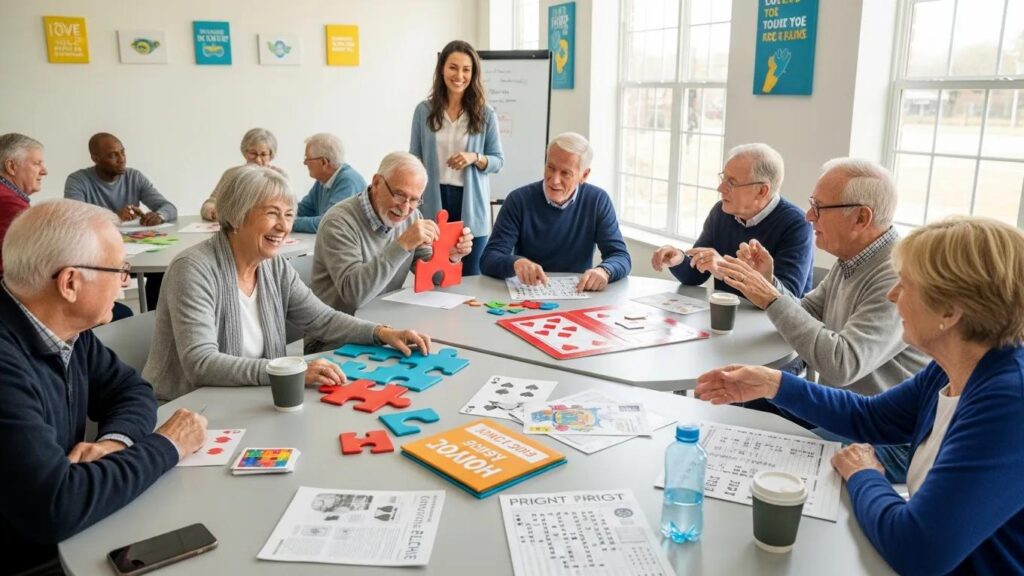
Many independent living communities now include wellness and cognitive recovery programs as part of their standard services. These programs take a whole-person approach—physical health, nutrition, and brain fitness—to help residents remain independent longer.
Overview of Wellness Services and Holistic Senior Health
Wellness offerings often include:
- Health Screenings: Regular checks to spot issues early and keep care plans up to date.
- Nutritional Counseling: Personalized guidance to support energy, mobility, and chronic condition management.
- Fitness Programs: Structured activities that build strength, balance, and endurance.
Combined, these services give residents practical tools to manage health and maintain quality of life.
The RECODE Program: Cognitive Recovery Partnerships and Benefits
The RECODE program targets cognitive health through a blend of mental exercises, dietary changes, and social activities. Key elements often include:
- Cognitive Training: Exercises and workshops that strengthen memory, attention, and reasoning.
- Nutritional Support: Diet plans that emphasize brain-supportive nutrients like omega-3s and antioxidants.
- Social Engagement: Group sessions and activities that stimulate thinking through conversation and collaboration.
When woven into community life, programs like RECODE can boost mental sharpness and enrich social connections, improving daily function and confidence.
What Are the Options and Processes for Transitioning from Independent to Assisted Living?
Moving from independent to assisted living is a common and manageable step when care needs increase. Planning ahead reduces stress and helps families choose the right level of support.
Understanding Assisted Living and Memory Care Services
Assisted living provides higher-touch support than independent living—help with personal care, medication management, and daily routines. Memory care is a specialized option for people with dementia or significant cognitive decline and uses dedicated spaces and staff trained to provide structured, secure care.
Planning and Support for Smooth Transitions in Senior Care
Key steps to a smoother transition include:
- Assessment of Needs: Work with clinicians or care coordinators to determine current and likely future care needs.
- Exploring Options: Visit facilities, ask about care plans, staffing, and how the community handles changes in needs.
- Emotional Support: Provide counseling, family conversations, and practical help packing and settling in to ease the emotional strain.
Thoughtful planning helps preserve dignity and continuity of care as needs evolve.
How Transparent Are Pricing and Financial Options for Independent Senior Living?
Clear cost information is essential when choosing independent living. Understanding what’s included and what’s extra helps families plan and avoid surprises.
Overview of Pricing Structures and Financial Assistance Options
Costs vary by location, amenities, and service levels. Typical models include:
- Monthly Rent: A base fee covering housing and core community services.
- Additional Fees: Optional charges for extras like meal plans, transportation, enhanced care, or housekeeping.
Many communities can point you to financial resources—government programs, veteran benefits, or private insurance—that may help offset expenses. Comparing total costs and included services is the best way to evaluate value and fit.
Frequently Asked Questions
What types of activities are typically offered in independent living communities?
Independent living communities usually offer a broad mix of activities to keep residents engaged—senior-focused fitness classes, arts and crafts, organized outings, and social events like game nights or movie screenings. These options support physical health, mental stimulation, and social connection, helping residents stay active and involved.
How can family members support seniors transitioning to independent living?
Families can help by assessing needs and preferences, researching and touring communities together, and encouraging open conversations about expectations and concerns. Practical help—sorting belongings, setting up the new space, and staying involved—also eases the move and helps the senior feel at home.
Are pets allowed in independent living communities?
Many communities welcome pets because they offer companionship and emotional benefits. Policies vary, though—check for breed or size restrictions, pet deposits or fees, and available pet amenities like walking areas or grooming services. Always confirm a community’s policy before deciding.
What should I consider when choosing an independent living community?
When choosing a community, think about location and proximity to family and services; the range and quality of amenities; the community’s social atmosphere; and the cost structure. Visiting in person, talking with residents, and reviewing sample activity calendars will give a clear picture of daily life.
How do wellness programs in independent living communities benefit residents?
Wellness programs support residents’ physical and mental health through screenings, nutrition coaching, and fitness routines tailored to older adults. These programs encourage healthy habits, reduce isolation by promoting group participation, and help residents maintain independence longer.
What is the RECODE program, and how does it support cognitive health?
RECODE is a cognitive recovery program offered in some communities that combines brain-training exercises, dietary guidance centered on brain health, and social activities that stimulate cognition. The goal is to support memory, attention, and problem-solving while strengthening social bonds among participants.
Conclusion
Independent living offers older adults the independence they want along with the community services and social life that make daily living richer. With tailored wellness programs, varied amenities, and a focus on connection, these communities help residents stay active, healthy, and engaged. If you’re considering independent living, take tours, ask questions, and explore options—your next chapter can be both fulfilling and vibrant.
Disclaimer:
Some images used in this blog are AI-generated and are included for illustrative purposes only. If you have any questions about our services or community, please contact us through our website or call (810) 385-3185 for assistance.