
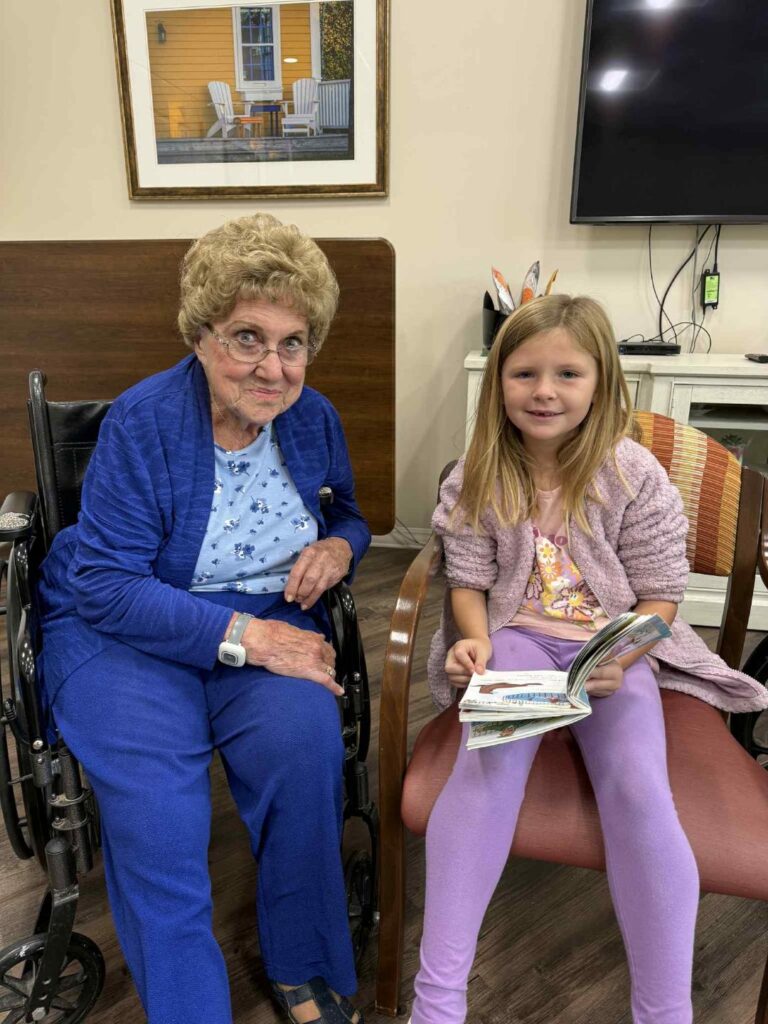

As your loved one ages, making the right decision about their long-term care can feel overwhelming. Many families find themselves comparing memory care vs assisted living, unsure which one truly fits their loved one’s needs. At first glance, these two senior living options might look similar; both provide safe housing, daily support, and social engagement. But when cognitive challenges such as Alzheimer’s or dementia become part of daily life, the level of care required changes significantly. Understanding the difference between memory care and assisted living helps you make a confident choice that supports your loved one’s dignity, safety, and well-being.
Understanding Assisted Living
Assisted living is designed for older adults who still value independence but need a helping hand with daily tasks. It creates a supportive environment without taking away personal freedom.
What Assisted Living Offers:
- Private or semi-private apartments
- Help with activities of daily living (ADLs) such as bathing, dressing, and medication reminders
- Nutritious meals prepared daily
Housekeeping, laundry, and transportation services - Access to 24-hour support staff
- Engaging in social and recreational activities
Assisted living works best for seniors who are mentally alert, socially engaged, and physically mobile but may need occasional assistance. At Lakeshore Woods Assisted Living in Michigan, residents enjoy comfort, independence, and a community filled with meaningful activities.
Understanding Memory Care
Memory care is a specialized form of senior living that supports individuals with Alzheimer’s, dementia, or significant cognitive decline. It provides structure, safety, and a high level of support tailored to residents’ behavioral and emotional needs.
What Memory Care Offers:
- 24/7 specialized supervision and security features
- Staff trained specifically in dementia care
- Structured routines that reduce confusion and anxiety
- Therapeutic activities that support memory and cognitive function
- Medication management and detailed health monitoring
- A calm environment designed for ease and familiarity
At Lakeshore Woods Memory Care, the goal is to celebrate each resident’s abilities while supporting their unique needs. Every moment is approached with patience, empathy, and respect.
Key Differences Between Assisted Living and Memory Care
| Feature | Assisted Living | Memory Care |
| Primary Focus | Support for daily living with independence | Specialized care for Alzheimer’s or dementia |
| Staff Training | General senior care | Dementia-specific, advanced behavior training |
| Security | Standard safety measures | Secured entrances, monitored exits, and wander prevention |
| Daily Routine | Flexible schedules | Structured, calming routines |
| Activities | Social and recreational | Therapeutic, memory-enhancing programs |
| Environment | Residential and social | Simplified, secure, sensory-friendly |
| Cost | Moderate pricing | Higher cost due to specialized care and staffing |
| Resident Profile | Independent but needs minor help | Cognitive decline, memory loss, disorientation |
When to Choose Assisted Living
Choose assisted living when your loved one is mostly independent but benefits from extra support. They may enjoy socializing, need minor help with personal care, or prefer a maintenance-free lifestyle. Lakeshore Woods Assisted Living offers a balanced environment where seniors maintain control while knowing help is always available.
When to Choose Memory Care
Memory care is best when cognitive changes begin affecting safety, daily routines, or communication. If wandering, confusion, or agitation become frequent, memory care provides structure and a secure environment designed for comfort and peace of mind.
Staff Training and Care Approach
The biggest difference between these two care types lies in staff training. Assisted living teams support general senior needs, while memory care staff receive advanced training in dementia communication, behavior management, and safety.
Cost Differences
Memory care usually costs more due to enhanced supervision, higher staffing, and specialized programs. Lakeshore Woods offers transparent pricing so families understand the full value of the services provided.
Transitioning from Assisted Living to Memory Care
Many residents begin in assisted living and later move to memory care as needs evolve. Lakeshore Woods makes this transition smooth by keeping residents connected to familiar staff and surroundings.
Emotional Considerations for Families
Choosing between care levels is emotional. Families may feel unsure or guilty, but the decision is based on love and safety. Memory care communities provide a stable, nurturing environment where residents are truly understood and supported.
How Lakeshore Woods Serves Michigan Families
Lakeshore Woods offers both assisted living and memory care, allowing families to choose the level of support that fits their loved one’s needs. Personalized plans, trained staff, and a warm environment make the community a trusted choice for Michigan families.
Conclusion
Making this decision is never easy, but understanding the differences helps families choose confidently. Whether your loved one needs gentle help or specialized cognitive support, Lakeshore Woods provides dignity, safety, and comfort every day.